


Development
Management
The key to the Company's sustainable development is the well-being of people, environmental balance, and long-term financial sustainability. According to the Development Strategy for 2022-2031, the Company's activities are based on the consistency of Environmental, Social and Governance principles considering the balance of interests of all stakeholders.
Our approach
Components of Samruk-Energy sustainable development
Global best practices and standards guide the Company's sustainability activities.
The Company seeks to align its economic, environmental and social objectives for long-term sustainable development. Samruk-Energy recognises three components of sustainable development: economic, environmental and social.
- The economic component of the Company's sustainable development aims to increase long-term value, secure the interests of shareholders and investors, improve process efficiency, increase investment in the creation and development of better technology, and enhance labour productivity.
- The environmental component aims to minimise the impact on biological and physical natural systems, make optimal use of limited resources, use environmentally friendly energy- and material-saving technologies, create environmentally friendly products, and minimise, recycle and dispose of waste.
- The social component focuses on the principles of social responsibility, such as occupational safety and health of employees, fair remuneration and respect for employee rights, individual staff development plans, implementation of social programmes for personnel, creation of new jobs, sponsorship and charity, environmental and educational campaigns.
Samruk-Energy is aware of its significant impact on sustainable development. Since 2016, it has been integrating the principles of sustainable development across all areas of activities. The Development Strategy outlines the Company's mission and vision achievement through the prism of ESG principles, where sustainable development is a key priority. The Company recognises that global factors affecting sustainability will inevitably lead to constraints, challenges and risks in the business process. The main objective of the Company is not only to ensure survival in a high-risk environment through proper forecasting and planning, but also to turn risks into opportunities and prepare for an unforeseeable future. We have to remember that we live in a society and must take care of the environment and future generations, as our Company's activities are directly linked to the development of the country's economy and reliable electricity and heat supply.
We make a voluntary commitment to conducting responsible business, ensuring human rights across the value chain, engaging in the lives of the Company's employees, the communities where the Company operates and society. This is possible by means of integrating human rights principles and sustainable development goals into the Company's strategy, corporate culture and daily operations, as well as maintaining the optimal balance between the interests of our stakeholders and the strategic and operational objectives of the Company.
Samruk-Energy principles of sustainable development
The principles of sustainable development include respect for the interests of stakeholders, respect for human rights, openness, accountability, transparency, legitimacy, ethical behaviour, personal example, zero tolerance of corruption, no conflict of interest, equal employment opportunities, prevention of discrimination and sexual harassment, etc.

Read more about the principles in the Corporate Governance Code and the Sustainability Guide of Samruk-Energy.
The principles of Samruk-Energy sustainable development are implemented at three levels:
1. strategic integration — sustainable development principles are implemented in the Strategy;
2. operational integration — the Company's management makes all corporate decisions based on the criteria of compliance with sustainable development principles and goals;
3. cultural integration is implemented through training in the Company, articles posted on the Company's corporate portal, and as part of the Code of Conduct.
Sustainable development management at Samruk-Energy
The Company follows a strategic approach to sustainable development management.
SUSTAINABLE DEVELOPMENT MANAGEMENT
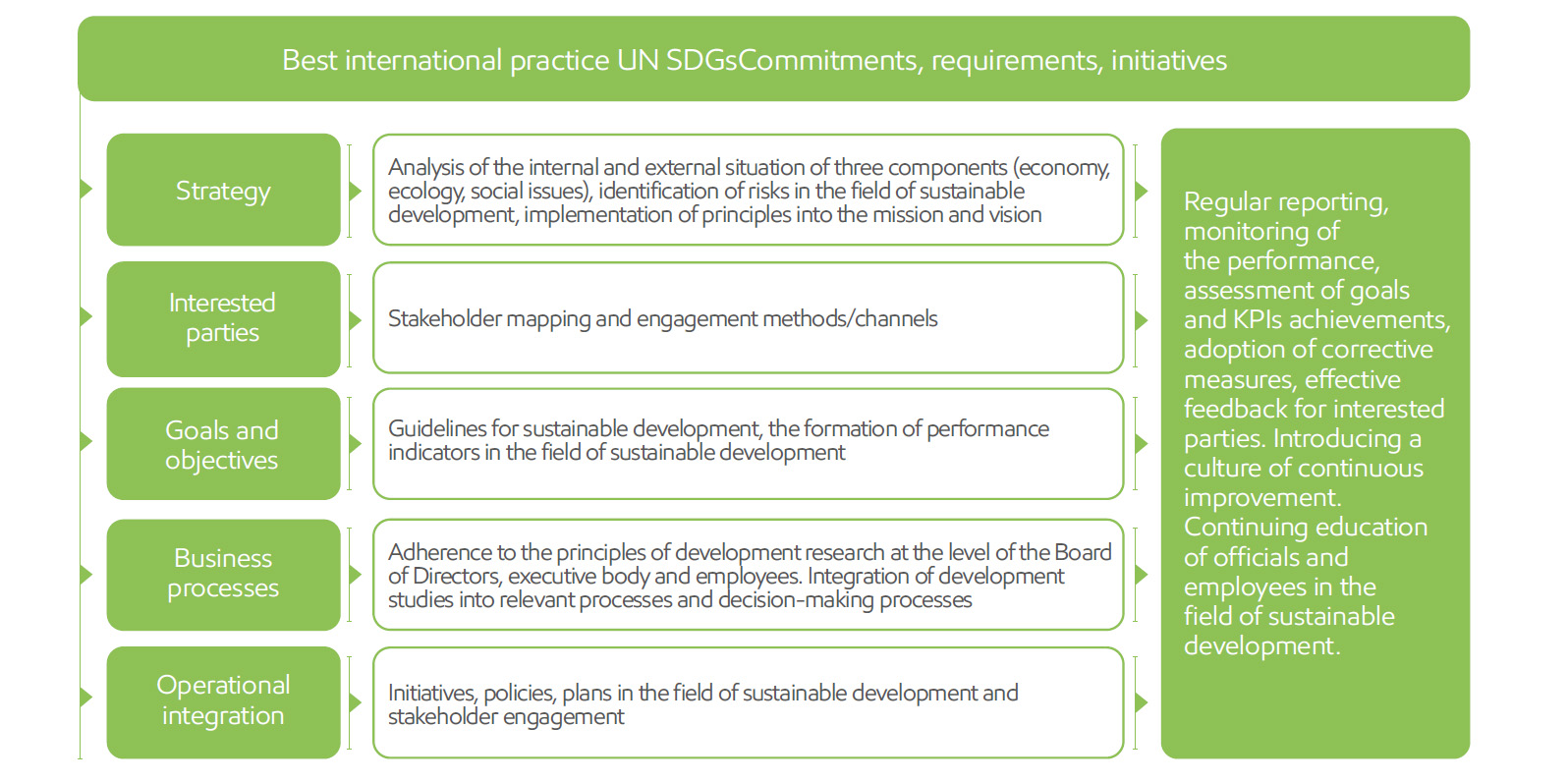
Consistent framework for sustainability management helps set strategic priorities of the Company in the field of sustainable development with their further:
- breakdown to programme and project levels;
- regular evaluation of the activities' performance based on established priorities and indicators;
- reporting at different levels according to the needs of the users and, if required, its independent assurance.
The Company strives for transparency and legality in all its activities. It follows the high standards of business ethics, considering business customs and other prerequisites for responsible business in each jurisdiction. We comply with the rules and remain a team of professionals united by common goals, culture, and traditions, maintain a good mutual understanding within the Company and with our business partners and customers.
The Company fulfils its commitment to responsible business practices at all managerial levels: strategic decisionmaking by the Board of Directors and the Management Board and operational activities in all areas (human resources management with respect for human rights, responsible investments, environmental risk management, responsible procurement procedures, compliance risk management, monitoring in internal audit processes, etc.).
The Board of Directors is responsible for establishing policies. It exercises strategic guidance and control over the implementation of sustainable development and compliance system in the Company by approving the relevant policies, streamlining processes, approving key performance indicators and monitoring the implementation of its commitments.
Within its competence, the Executive Body implements sustainability principles, compliance procedures, policies, and communicates outcomes to the Board of Directors. As part of reporting on sustainability issues, the Company has established designated committees under the Board of Directors and the Management Board. These committees are responsible for a thorough and in-depth analysis of sustainability issues.

See the CG section for more details.
Our Company strives to minimise the negative operational impact on population and the environment, to prevent industrial accidents that harm the environment, and to support the sustainable use and reproduction of natural resources. We are proponents of energy efficiency increase, resources saving and alternative energy sources use. Samruk-Energy shares the main ideas of the precautionary principle. Before launching new projects and facilities as part of environmental impact assessment, the Company carries out a few mandatory activities aimed at informing the public about planned activities and their possible impact in order to gauge and consider the public opinion during impact assessment. All activities are included in the Stakeholder Engagement Plan and each project is monitored. The results of the Stakeholder Engagement Plan implementation are annually communicated to the Board of Directors. The Plan is available on the Samruk-Energy website at
www.samruk-energy.kz/ru/corporate-governance/corporate-documents#6
We have developed the Sustainability Guide as a fundamental document for the ESG implementation. The Sustainability Guide governs the safeguarding of fundamental human rights and freedoms. The document outlines the Company's support for universal human rights, not only as part of the Company's activities, but also in relation to its third parties.
Human rights principles are reflected in the Code of Conduct. The document establishes high professional and ethical standards that must be met by Samruk-Energy employees, regardless of their position. The standards for equal employment and working conditions and the prohibition of discrimination and harassment enshrined in the Code of Conduct guarantee the human rights. Compliance with the standards and provisions of the Code of Conduct is binding on all the Company's employees, members of the Board of Directors, the Management Board and third-party partnerships.
The Code of Conduct is available at: www.samruk-energy.kz/ru/corporate-governance/corporate-documents#2
As a Company committed to high standards of ethical behaviour, responsible for prevention of direct or indirect contribution to human rights abuses, the Company has developed the Guidelines for Suppliers to strengthen relations with Suppliers.
To establish a compliance system in line with international industrial standards and best practices, the Company takes measures to identify, assess, prevent, and control compliance risks arising in Samruk-Energy activities, form a zero tolerance for corruption and bribery, build an anti-corruption culture and prevent compliance risks. As part of the compliance system development, the Company aims to maintain a high level of performance, to be businessoriented and proactive in its risk management, considering the Company's ambitious strategic objectives.
As part of a sustainability awareness raising initiative, the Company holds annual sessions for management and employees, as well as sustainability trainings within the scope of standards and regulations set out in the Company's Sustainability Guide.
To raise employee awareness of compliance issues and to inform employees about the latest developments in anti-corruption legislation, the Company conducts training on an ongoing basis.
See the Compliance Policy section for more details.
Sustainability risk management
By adopting a risk-based approach in its operations, the Company aims to achieve a sustainable long-term increase in value and competitiveness.
We conduct comprehensive risk assessments on an ongoing basis, using risk management tools and a systematic approach to sustainability:
- assessment of current and future risks related to the global drivers of sustainable development;
- forecast of economic, socio-demographic and environmental trends;
- analysis of social, environmental and economic Company's current impact on the region;
- development of measures to manage the Company's impact in the region, mitigate risks and seize opportunities;
- enhancement of the risk culture, analysis of the efficiency of risk management measures, identifying opportunities associated with current and future risks.
Risk management is an integral part of sustainable development. The company declares its responsibility to all stakeholders and is committed to the timely assessment, monitoring and management of sustainability risks. The Company views the risk in three dimensions — economic, environmental and social —for both internal and external stakeholders.
The definition of ''social risks'' includes not only responsibility to Company's employees/shareholders, but also concepts such as public health and safety in the regions where the Company operates, the livelihood of local communities, social connectedness, cultural resources, vulnerable groups, gender equality, risks arising in the supply chain and related to non-compliance with relevant labour standards regarding supplier rights.
Environmental risks are presented not only as local impacts on the environment, but also on climate change.
Economic risks extend beyond the economic impact of a particular Company's asset on the local community, but also on the country.

Read more about Risk Management in the Company's Integrated Annual Report for 2021.
Improvement of sustainable development governance
The Company is improving its sustainability management system as well as its corporate governance system.
In 2022, the Company elaborated and approved its Roadmap for Improving the Sustainable Development Management System. The Company also approved a new version of the Samruk-Energy Action Plan for the implementation of the best corporate governance practices.
To improve sustainability activities of Samruk-Energy, the Company conducted GAP analysis of ESG processes and diagnostics of ESG management practices performance. The Company also held external analysis of disclosure practices by reference companies (external analysis).
In December 2022, the Company adopted and approved the 2023-2024 Roadmap for Improving the Sustainable Development Management System. The Roadmap integrates the Action Plan for Corporate Governance Improvement, the Action Plan for Best Practices Implementation in Corporate Governance and the Roadmap for Obtaining an ESG Rating. The Company aims to receive an ESG rating from a global rating agency in the short term. We will report on the progress with the Roadmap and the ESG rating in our following reports.
As part of quality improvement and accessibility of information disclosed in the Company's public reports, including climate-related information, the Company has developed the 2022- 2024 Action Plan for the Implementation of TCDF (Task Force on Climate-related Financial Disclosures) and GRI standards.
PRIORITY AREAS OF THE COMPANY'S SUSTAINABILITY ACTIVITIES
Samruk-Energy implements the following sustainable development initiatives and programmes:

introducing high ethical standards and building a corporate culture based on trust

introducing sustainability principles and applying a risk-based approach to project management practices at all investment stages

improving financial stability

promoting responsible procurement based on the principles of fair and free competition, mutual benefit, transparency and full accountability for its commitments

enhancing safety culture by involving employees in occupational safety and health management and increasing the effectiveness of occupational safety and health management system in line with international standards

enhancing Company's social responsibility, following the UN Global Compact principles, investing in human capital

Compact principles, investing in human capital; ensuring environmental sustainability, including search for and implementation of environmentally and economically superior technologies, optimisation of industrial processes, implementation of renewable energy projects, identification and prevention of potential accidents
Development of Company's sustainability management system
The sustainability management system has been implemented in the Company since 2016 based on the rules and regulations of the Corporate Governance Code. In 2016, the first Sustainability Guide regulating sustainability development approaches and policies was adopted. The Sustainability Guide was revisited in 2018 and 2019 in line with international best practices.
As part of sustainability activities, the Company adopted its Sustainability Initiative Plan in 2018 with further revisiting in 2019 and 2022. To identify a list of sustainability initiatives, the Company has paid attention to a wide range of important aspects, including the organisation's development strategy and business model, significant developments from a sustainability perspective for the Company and stakeholders, materiality matrix and sustainability risks.
Raising awareness of sustainable development
Following the best international practices, Samruk-Energy raises awareness of sustainable development as follows:
- in September 2022, the Company held a training "Corporate reporting system in the area of ESG" led by PWC international consultants for all employees;
- in December 2022, the Corporate Governance and Sustainable Development Department held a special session on sustainable development with the participation of Members of the Management Board and heads of divisions;
- as part of the Company's Development Strategy for 2022-2031 update, the Corporate Governance and Sustainable Development Department organised an online meeting with the portfolio companies. The topic of the meeting was "Introduction of ESG system at Samruk-Energy";
- as part of the advanced training of Company's officials and employees on sustainable development, a corporate training "Implementation of ESG principles at Samruk-Energy" for Members of the Board of Directors, Members of the Management Board and managers was held.
Materiality assessment
The activities led by Samruk-Energy have a much stronger impact than just direct financial and economic results. To be successful in the long term, we strive to align our performance with the expectations of a broad range of stakeholders and society, including the needs of future generations. In 2022, the materiality assessment focused on identifying and prioritising the most significant impacts on the economy, environment, people and human rights in accordance with the updated GRI 2021 guidelines, and a number of other leading standards.
For the purposes of the overall assessment of the Company's ESG impacts and areas of responsibility, when identifying material topics, we have considered the methodological approaches for the identification and recommended lists of topics outlined in international GRI Standards 2021, GRI 12: Coal Sector 2022 and SASB. The Company applied the TCFD recommendations in identifying material topics related to the climate change impact on the Company and its opportunities. We were also guided by the requirements of the Kazakhstan Stock Exchange (KASE) to develop the list of material issues.
During the reporting period, we assessed the material topics disclosed in the 2021 Report to confirm their continuing strategic impact. We conducted a survey of internal and external stakeholders.
Aiming to identify the most significant ESG issues, we analysed various areas of our business, including supply chain, operations, employees and communities, and corporate governance.
The ESG materiality assessment included an analysis of:
- our ESG activities;
- current ESG trends;
- legislation and regulatory frameworks;
- external sustainability standards and systems;
- competitors in the industry or companies similar in nature and type of business;
- opinions of stakeholders.
When assessing impacts, internal experts conducted stakeholder surveys, explored and prioritised the most significant positive and negative, actual and potential, short-term and long-term impacts of business activities along the entire value chain. The significance of actual negative impacts was determined by the impact severity. The significance of potential negative impacts was determined by severity and likelihood. The significance of actual positive impacts was determined by the impact magnitude. The significance of potential positive impacts was determined by the impact magnitude and likelihood.
The final decision on most material ESG issues was also influenced using new methodological approaches. One of them was selection based on double materiality. This means the selection of the most important topics for the Company in terms of their impact on the Company's financial performance and business value, as well as those topics that are of the greatest importance to the society (from the stakeholder perspective).
The overall disclosure list was formed based on an analysis of international reporting practices, disclosure expectations and the list of disclosure indicators for companies of similar industries and sizes, as well as a judgement on compliance in terms of reporting principles and reporting requirements under GRI Standards 2021 relating to sustainable development.
We have also defined an additional list of performance indicators, which largely reflect the specifics of the Company's activities and impact. This allows our stakeholders to make a more balanced and correct view of the Samruk-Energy activities. In preparing the present Report, we have benchmarked Annual Reports of similar companies. 2021 Annual Reports from seven leading companies in the field of information disclosure as well as energy companies were used for benchmarking. In view of benchmarking results, investors' expectations, requirements of stock exchanges, recommendations of best practices and trends in information disclosure identified in Annual Reports, we have developed key recommendations and information disclosure indicators to be used in 2022 Samruk-Energy Annual Report.
The active engagement with our stakeholders made it possible to successfully identify priority material issues and the resulting consistency in allocation of resources and time to the activities with the greatest impact.
It should be noted that our list of material topics is benchmarked against the GRI Standards, UN Global Compact Principles and UN Sustainable Development Goals. This demonstrates their full alignment with the most common sustainability practices and standards.
List of material topics
In 2022, our list of material topics has changed as we have changed and expanded the approaches to assessing materiality.
1. We have assessed the Samruk-Energy potential and actual impact on the environment, economy and society (including human rights) and its significance for stakeholders' assessments and decisions, in line with the updated Global Reporting Initiative (GRI) standards. The present Report was developed in accordance with GRI Universal Standards 2021.
2. We have considered the impact of sustainable development on productivity, market position, financial results and general opportunities for Samruk-Energy growth, as well as our social and environmental impact and the potential to manage it.
3. Along with double materiality approaches we have also considered topics which are not material for Samruk- Energy these days but can become material in the nearest years or decade. We have applied methodological approaches known as "dynamic" materiality.
4. After the materiality assessment this year, we have identified changes in the list of material topics as compared to the previous reporting periods. They reflect the shift in stakeholders' expectations, evolution of approaches to materiality and introduction of new, more extended requirements to ESG information disclosure.
LIST OF MATERIAL TOPICS
| Material topic | Type of impact | GRI Standards | UN Global Compact Principle | UN SDGs | |||
|---|---|---|---|---|---|---|---|
| Negative | Positive | Direct | Indirect | ||||
| Climate change and environment | |||||||
| Climate change | 305 | 7,8 |
|
||||
| Energy transition to sustainable sources | 302 | 9 |
|
||||
| Water resources management | 303 | 7,8 |
|
||||
| Air quality | 301 | 7,8 |
|
||||
| Sustainable waste management | 305 | 7,8 |
|
||||
| People care | |||||||
| Management, development and motivation of employees | 401, 402, 404 |
|
|||||
| Occupational safety and health | 403 |
|
|||||
| Diversity, equality and inclusivity | 405, 406 | 1,2,6 |
|
||||
| Effective management and integrity | |||||||
| Contribution to economic performance | 201, 203 |
|
|||||
| Sustainable supply chain | 204 |
|
|||||
| Compliance with legislation and anti-corruption | 205 | 10 |
|
||||
| State policy | 205 |
|
|||||
UN Global Compact Principles
We recognise the environmental and social challenges posed by global climate change. Through continuous development and improvement of our approaches, we strive to demonstrate one of the most advanced levels of ESG practice among leading companies. Samruk-Energy joined the UN Global Compact in 2011 and focused its activity on implementation of environmental protection principles, social responsibility and better corporate governance in all businesses.
We are open to cooperation with Global Compact signatories and are confident that joint efforts and experience sharing will ensure sustainable business for all stakeholders.
As part of our adherence to the UN Global Compact, we publish annual progress reports (available at: www.unglobalcompact.org and www.samruk-energy.kz/ru/navigation-and-support/sustainable-development#tab13
| UN Global Compact Principles | Section in the Report |
|---|---|
| Businesses should support and respect the protection of internationally proclaimed human rights |
|
| Businesses should make sure that they are not complicit in human rights abuses | |
| Businesses should uphold the freedom of association and the effective recognition of the right to collective bargaining |
|
| Businesses should uphold the elimination of all forms of forced and compulsory labour | |
| Businesses should uphold the effective abolition of child labour | |
| Businesses should uphold the elimination of discrimination in respect of employment and occupation | |
| Businesses should support a precautionary approach to environmental challenges |
|
| Businesses should undertake initiatives to promote greater environmental responsibility | |
| Businesses should encourage the development and diffusion of environmentally friendly technologies |
|
| Businesses should work against corruption in all its forms, including extortion and bribery |
Our contribution to Sustainable Development Goals
Samruk-Energy has integrated the Principles of Sustainable Development in its business and declares its commitment to 17 UN Sustainable Development Goals. In its operations, the Company seeks to contribute to the following UN Sustainable Development Goals:
| UN Sustainable Development Goals | Company's projects and programmes | Results |
|---|---|---|
|
|
Sustainable Development Initiatives Plan for 2022- 2026 Implementation of programmes related to controlling staff turnover, retaining internal talents and attracting professionals (talent management, development of internal competences) |
|
|
Sustainable Development Initiatives Plan for 2022- 2026 |
|
|
|
Sustainable Development Initiatives Plan for 2022- 2026 Implementation of innovative technologies to reduce environmental impact Implementation of programmes to promote wellness in local communities |
|
|
|
Sustainable Development Initiatives Plan for 2022- 2026 Implementation of employee training programmes New employee onboarding programme Cooperation programmes with educational institutions as part of personnel training |
|
|
|
Action plan to promote equal opportunities Gender Equality Program |
|
|
|
Sustainable Development Initiatives Plan for 2022-2026 |
|
|
|
Measures to minimise the Company's impact on water resources. Environmental Protection Plan |
The main objectives of Samruk-Energy in the field of water resources protection are to minimise the impact by:
|
|
|
Development of clean energy (RES) Commissioning of new RES facilities Modernisation of assets and digitalisation |
|
|
|
Creating jobs Ensuring decent wages Developing regions of presence |
|
|
|
Developing R&D and innovations, high-tech industries |
|
|
|
Efficient and rational use of energy resources |
|
|
|
Adaptation to climate change and transition to a low-carbon economy |
|
|
|
Stakeholder Engagement, Feedback |
|
|
International cooperation |
Events in the reporting period:
|
Stakeholder Engagement
Samruk-Energy places a strong focus on stakeholder engagement. Guided by the principle of transparency, we are open to meetings, discussions and dialogue and strive to build long–term cooperation with our stakeholders that is based on mutual interests, respect for rights and a balance between the interests of the Company and our stakeholders.
Samruk-Energy’s Management Board manages stakeholder engagement to ensure compliance of the Company’s operations with the strategy and development plan, as well as the decisions of the Sole Shareholder and the managing body.
The key goal of our stakeholder engagement is to make the right choice of strategic development and of ways to improve the Company’s operations, assist in reaching a level of sustainable development that is beneficial to everyone: the Company, its stakeholders, and society.
Effective stakeholder engagement enables to:
- identify stakeholders that have a material impact on the Company and their degree of dependence on the Company;
- identify and analyse the needs, expectations and opinions of internal and external stakeholders;
- identify and analyse the challenges and prospects, as well as the most important concerns for internal and external stakeholders;
- create a materiality matrix, develop a Stakeholder Engagement Plan and/or a Stakeholder Communication Plan.
KEY PRINCIPLES OF STAKEHOLDER ENGAGEMENT:

respect and account for
stakeholders’ interests, opinions and
preferences

timely and regular
communication with
stakeholders

responsible
discharge of
obligations
To build effective stakeholder engagement, the Company is guided by the best international practices for stakeholder engagement (the AA1000 standard, GRI) and uses a set of principles that take into account and respect the interests of all stakeholders at all levels of management of the Company’s operations.
Thus, our stakeholder engagement builds on the principle of inclusion that is based on three engagement principles to help us build comprehensive, mutually beneficial and effective stakeholder engagement:

“materiality” – a correct assessment
of the importance of issues for
stakeholders and the organisation

“completeness” – understanding
the materiality of the impact made
by the Company’s operations

“response” – offering an
adequate response
We are ready to invest in the development and in the future of our customers, employees, partners, and suppliers. We are ready to ensure the sustainable development of our Company and local communities, and make social investments in the areas that are important for the territory of our presence. We are ready to engage with all stakeholders to give an adequate and flexible response to external and internal challenges.
In addition, we share the key aspects of the precautionary principle. Before we launch any new projects or facilities, we take a number of steps as part of the environmental impact assessment to inform the public about the planned activities and their potential impact to canvass public opinion and take it into account in the impact assessment process.
We take into consideration the principle of transparency as part of our stakeholder engagement work. After the publication of our annual reports, we check the balance and completeness of the information disclosed in the annual reports, and determine the topics and aspects that have a material impact on the operations of the Company and its stakeholders.
These activities are included in the Stakeholder Engagement Plan, which builds on Samruk-Energy’s Stakeholder Map and stakeholder engagement practices. The Plan also outlines the Company’s stakeholder engagement principles, stakeholder identification and analysis approach, stakeholder engagement requirements, grievance mechanisms, and stakeholder engagement activities. The Company monitors the implementation of the Plan, and the results are reported to the Board of Directors.
In 2022, all activities included in Samruk-Energy’s Stakeholder Engagement Plan were carried out successfully. Following the Plan, Samruk-Energy’s subsidiaries and affiliates monitored the approved Stakeholder Engagement Plans (SEPs) for the 2022 investment projects.
Samruk-Energy’s strategy for 2022–2031 builds on the sustainable development principles enshrined in the UN Global Compact and includes, in particular, creating a stakeholder map and methods/channels for engagement.
SAMRUK-ENERGY’S STAKEHOLDER MAP
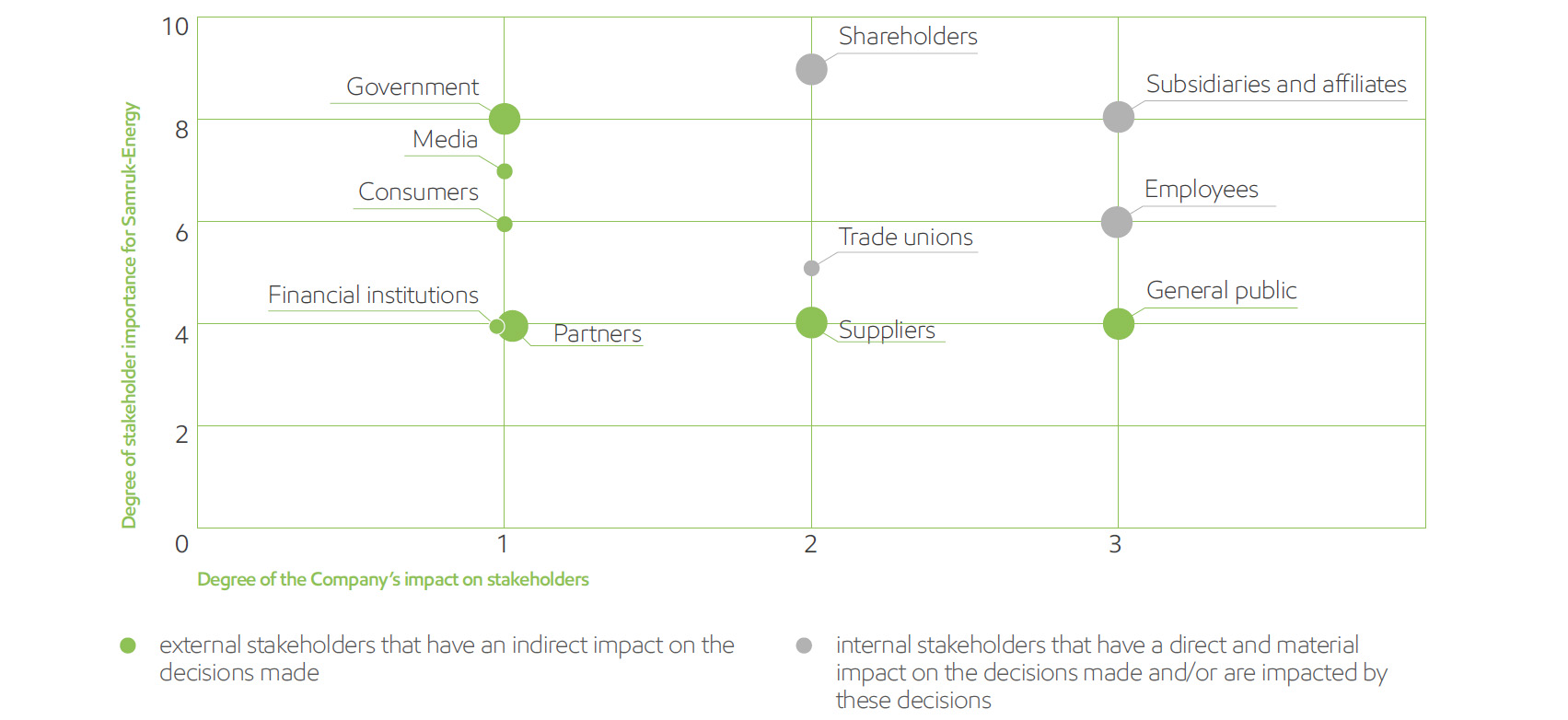
The size of the circle shows the extent of the Company’s engagement with stakeholders. The smallest rectangle reflects the limited level of engagement. As the size of the rectangle increases, the degree of engagement grows.
ENGAGEMENT WITH KEY STAKEHOLDER GROUPS
| Stakeholder interest in the Company | Engagement mechanisms |
|---|---|
| Internal | |
| Shareholder | |
|
|
| Subsidiaries and affiliates | |
|
|
| Management and staff | |
|
|
| Trade unions | |
|
|
| External | |
| Government agencies | |
|
|
| Consumers | |
|
|
| Goods/ works/services suppliers | |
|
|
| Business communities (Associations, National Chamber of Entrepreneurs, ALE) | |
|
|
| NGOs and local communities | |
|
|
| Partners | |
|
|
| Financial institutions | |
|
|
| International organisations | |
|
|
| Creditors | |
|
|
| Local authorities | |
|
|
| Media | |
|
|
International cooperation in sustainable development
SAMRUK-ENERGY’S PARTICIPATION IN NATIONAL AND INTERNATIONAL ORGANISATIONS/ASSOCIATIONS
| Organisation | Status and date of joining |
|---|---|
| World Energy Council (WEC) | Member since 2008 |
| KAZENERGY Association | Member since 2009 |
| Kazakhstan Electricity Association (KEA) | Member since 2011 |
| UN Global Compact | Member since 2011 |
| CIS Electric Power Council (CIS EPC) | Observer since 2012 |
| National Chamber of Entrepreneurs of the Republic of Kazakhstan (NCE RK) | Member since 2013 |
| ALE Union of Machine Builders of Kazakhstan | Member since 2021 |
| ECOJER Association | Member since 2021 |
| Kazakhstan Association of Digital Energy | Membership application submitted |
| National ESG Club | Member since 2022 |
Respect for Human Rights
Samruk-Energy is one of the largest energy holding companies in Kazakhstan that has a strategic position in the national energy grid. Thus, we are well aware of our influence and undertake voluntary commitments to running our business responsibly, upholding human rights across the entire value chain, and taking a broader interest in the life of our employees, local communities in the regions of our presence, and the whole society. We integrate human rights principles and sustainable development goals into our strategy, corporate culture and day-to-day operations and keep a good balance between our stakeholders’ interests and our strategic objectives.
Speaking of human rights protection, Samruk-Energy complies with applicable laws of the Republic of Kazakhstan and generally accepted principles and rules of international law – the Universal Declaration of Human Rights, the International Covenant on Civil and Political Rights, the International Covenant on Economic, Social and Cultural Rights, the UN guiding principles on business and human rights.
We comply with the Constitution of the Republic of Kazakhstan and we recognise, guarantee and ensure the protection of human rights and freedoms. We have a zero tolerance approach to any actions that violate human rights and/or any actions that may lead indirectly to such violations. The human rights principles and standards are enshrined in Samruk-Energy’s Code of Conduct that establishes high professional and ethical standards for our employees, regardless of their position in the company. All our employees, members of the Board of Directors and the Management Board, as well as any third parties we work with must comply with the principles and provisions of the Code.
We have a zero tolerance approach to any restrictions on employees’ labour rights and freedoms, and discrimination based on gender, race, nationality, language, origin, financial situation, relationship or social status, employment situation, age, place of residence, religion, beliefs, membership or non- membership in any NGOs or social groups, as well as any other circumstances not related to professional strengths of employees.
Key human rights requirements are part of the basic compliance training programme for employees. In addition, we use all internal communication channels to keep our employees informed of our position on human rights and of feedback opportunities to complain about human rights abuse.
We regularly analyse calls made to the hotline and check up on our enterprises if we hear of any alleged rights violations to assess the effectiveness of our approaches to human rights issues. The assessment results are reported to the Board of Directors.
We demand that the Group’s suppliers and contractors comply with the laws and our corporate health and safety standards. Our Sustainable Development Guidelines devised to secure fundamental human rights and freedoms is one of the framework documents of the Company. The document outlines our position to support the internationally proclaimed human rights not only in our operations, but also in relation to the third parties Samruk-Energy works with.
For more about the Sustainable Development Guidelines, please go to our website.
We maintain high standards of ethical conduct and take responsibility for ensuring that none of our operations violate human rights directly or indirectly. We have developed the Supplier Guidelines to cement our relationships with Suppliers and ensure that corporate social responsibility is fundamental to long-term business success and must be part of our relationships and the actions we take in the market, at work and in local communities.
Samruk-Energy places a strong focus on stakeholder engagement. To build effective stakeholder engagement, we are guided by the best international practices and use a set of principles that take into account and respect the interests of all stakeholders at all levels of management of the Company’s operations. In particular, we share the key aspects of the precautionary principle. All activities run by the Company as part of our stakeholder engagement are included in the Stakeholder Engagement Plan.
For more details, please read Stakeholder Engagement, for more details about Samruk-Energy Stakeholder Engagement Plan, please go to our website.
The Company has an Ombudsman Service in place to monitor the human rights situation and work with employees to explain the Code of Ethics and Conduct and the compliance policy.
The compliance team and trade unions monitor the implementation of human rights commitments and international human rights standards. In case of human rights violations employees can use all available feedback channels.
Samruk-Energy does not use child labour and has a zero tolerance approach to forced labour. These requirements apply to all the Group’s subsidiaries and affiliates, suppliers and contractors.
Human Capital
Staff is the greatest value and the main driver of success at the Samruk-Energy JSC Group of companies. We strive to constantly improve the efficiency of the HR management system. Our key objectives within social responsibility aim at creating attractive conditions for employees, retaining internal talents and attracting highly skilled personnel, ensuring social guarantees and social stability in the Company.
We respect the interests of stakeholders, strictly comply with the applicable labour legislation, the principles of corporate and professional ethics. An important part of our corporate culture is the provision of equal employment opportunities, non-discrimination, respect for human rights. Our approach is in line with the UN SDGs aimed to improve the quality of life and welfare of people of all ages, to provide inclusive and equal quality education and lifelong learning opportunities, and to achieve gender equality and decent working conditions for everyone without exception.
The HR policy is a fundamental document in the sphere of HR management, focused on the human potential development. The document aims at motivation of employees, achievement of high labour efficiency with due regard to their interests and capabilities, and stimulation of their active engagement in the Company’s life as stipulated in the Strategy.
Samruk-Energy JSC has designed an effective HR management system aimed to creating attractive conditions for employees and becoming one of the key and most prestigious employers in the regions of presence.
The Company’s HR policy is based on the principles of sustainable development: respect for the interests of stakeholders, respect for human rights, openness, accountability, transparency, legality, ethical behaviour, personal example, intolerance to corruption, inadmissibility of conflicts of interest, provision of equal employment opportunities, non-discrimination, non-admission sexual harassment and others.
The strategic role of the HR function is to plan labour resources for the future in quantitative and qualitative terms.
The Company evaluates the Group HR management efficiency and effectiveness based on monthly or quarterly reports. We contribute to the achievement of the UN Sustainable Development Goals by constantly improving the HR management system and developing new social programmes for employees and their families.
Creating attractive working environment
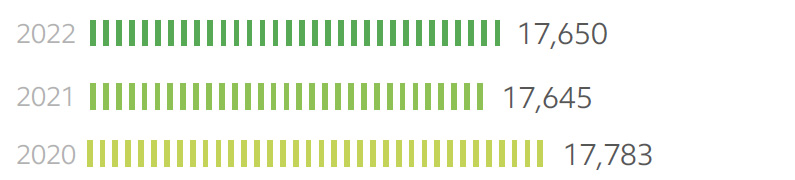
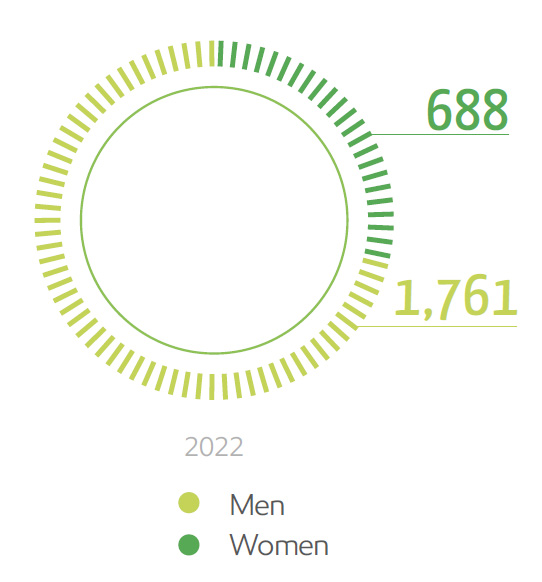
The Samruk-Energy JSC Group of companies is one of the largest employers in the Republic of Kazakhstan. As of 31 December 2022, the headcount made up 17,650 people. The average work experience is 13 years. The average age of our employees is 34 years. In 2022, the share of full-time employees was 100%.
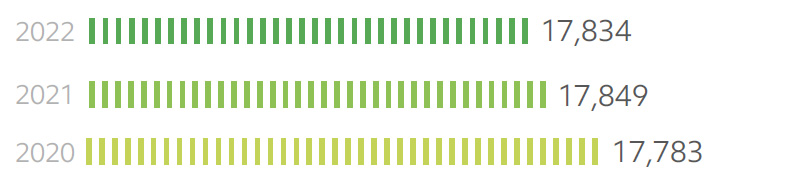
DYNAMICS OF THE WORKFORCE, PEOPLE
Average staff number
Total headcount
In 2022, Samruk-Energy JSC approved the organisational structure and its Corporate Centre headcount amounted to 150 employees.21.
Diversity and inclusion
Ensuring equal opportunity and inclusion in the workplace is a fundamental element of respect for human rights. We strive to ensure the diversity of our employees and members of the Board of Directors and demonstrate zero tolerance for any form of discrimination. Diversity and inclusion are critical to our long-term success, helping to attract, engage and retain talents and ensure our people comfort and support to perform at their best. An inclusive and diverse workforce allows to more effectively adapt to changing societal expectations and respond comprehensively to market changes.
We strongly oppose any form of discrimination and strive to ensure respect to all employees and candidates. We work to create equal opportunities for everyone at every stage of promotion.
We ensure that candidates have equal opportunities when promoting inside the Company. As an equal opportunity employer, we follow the principle of equality when hiring employees, trying to expand the diversity of attracted talents. This allows us to benefit from the different perspectives, experiences and knowledge of people of different genders, ages and backgrounds while implementing innovative solutions for our business. We are proud to stand for diversity and strive to create a supportive work environment where every employee feels accepted, respected and heard. Our employees know that they can reach their full potential with us and feel safe when talking about problems.
We strive to increase diversity at all levels of the Samruk-Energy JSC Group of companies, including the Board of Directors, top and middle management. Merit, experience, knowledge and skills of a candidate is the basis for the appointments to the Board of Directors, as well as to senior and middle management positions. This helps secure balance and diversity of expert knowledge.
The combination of educational level and professional experience, as well as the personal qualities of directors and employees, provides diversity of opinions and a more extensive knowledge base.
In accordance with the Roadmap for improving the sustainable development management system22, the Company implemented the Non-Discrimination Policy in the Q1’2023.
Gender equality
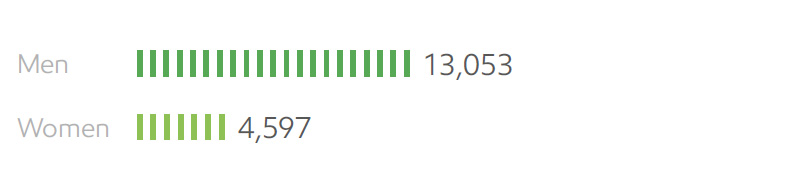
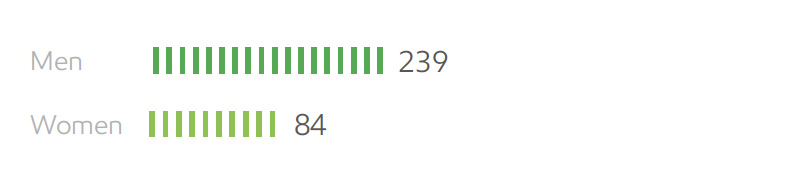
There are more men than women among our employees due to the specifics of the industry and the characteristics of physical labour in the companies. However, our HR Policy adheres to the seven principles of gender equality developed through the UN Women partnership and the UN Global Compact as a key element of sustainable development to:
- build active support of measures for ensuring gender equality;
- treat women and men equitably – non-discrimination based on gender, equal treatment and access to training and development programmes, promotion and employment;
- respect and promote human rights, non-discrimination;
- ensure the health, safety and well-being of all employees;
- promote education, occupational development and professional growth of women in business, application of practices that contribute to the empowerment of women;
- promote equality at the level of local communities;
- evaluate results and inform the public about progress towards gender equality.
We have also developed an action plan and set the Key Performance Indicators in the Plan of Initiatives on sustainable development. This plan provides for an increase in the number of women in the staff and in the personnel reserve, the optimal number of women in leadership positions.
In the reporting period, within the Gender Equality programme, employees of the Corporate Centre, Almaty Power Plants and ESC LLP completed modular training aimed at increasing the proportion of women in the Company's governing bodies. They also participated in a business meeting with representatives of the KAZENERGY Women's Energy Club and the delegation from Women Association in the Energy Industry of Kyrgyzstan.
EMPLOYEES BY GENDER, PERSONS
COMPOSITION OF GOVERNING BODIES BY SEX, PERSONS
Top managers
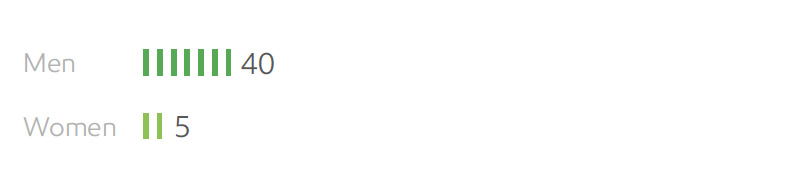
Leaders
Creating an inclusive environment
Samruk-Energy JSC complies with all legal requirements on providing jobs for people with disabilities. In 2022, the Company employed 211 persons with disabilities.
Recruitment and staff turnover
The priority of Samruk-Energy JSC when recruiting employees is the efficiency of their work. When selecting candidates, we pay special attention to their motivation and compliance with the Company’s corporate values.
To ensure equal access to employment for all qualified candidates, Samruk-Energy JSC posts vacancies on its website and the Samruk Qyzmet Single Online Recruiting Platform (www.qsamruk.kz ) in Russian and Kazakh. Based on the results of the competitive selection, the Company provides all candidates with feedback, and publishes the results on the Samruk Qyzmet platform. When conducting competitive procedures, internal candidates, including candidates from the Company's talent pool, have priority.
We hired 2,449 people in 2022, of which 28% are women (9% more than in 2021).
Onboarding programmes for new employees
Samruk-Energy JSC is constantly improving the adaptation mechanisms for new employees to develop the Group’s human resources potential. Thus, the Company has an onboarding programme for new employees, under which for three months a new employee, using a special digital platform, takes an electronic adaptation course, consisting of theoretical and practical parts.
The programme is designed to help employees quickly settle into a new place and create a basis for their professional growth.
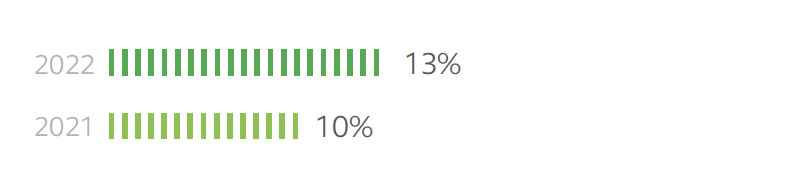
The overall staff turnover in 2022 was 13%, which meets the industry average criteria. Compared to 2021, staff turnover increased due to changes in the methodology and approaches to calculations. In 2022, we included all dismissed employees regardless of the reasons (on their own initiative, by consent of the parties, due to retirement age, headcount optimisation, etc.).
STAFF TURNOVER, %
Total staff turnover
Salary
A decent level of remuneration is the main motivating tool for employees to work effectively. The Company, as a responsible employer, seeks to provide its employees with decent wages. In 2022, the average monthly salary of the Group's employees was KZT 402,990. The Company regularly indexes wages and introduces bonus systems.
Rules for remuneration and bonuses for employees of Samruk-Energy JSC is the main internal document of the Company, officially defining the main components of the packages for remuneration and incentives for employees.
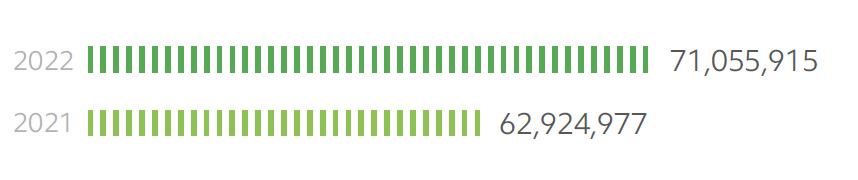
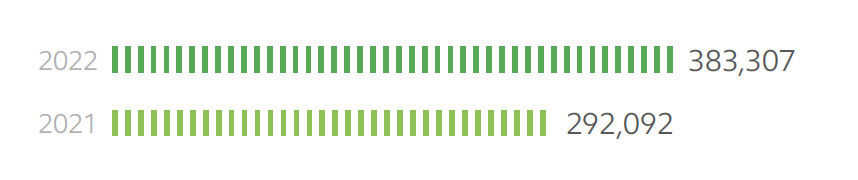
SALARY FUND, ‘000 KZT
Salary fund
In 2022, we revised the salaries of administrative and production personnel of subsidiaries and affiliates and increased them from 10 to 32%. This covered more than 16 thousand employees, with special attention paid to low-paid workers.
JSC "Samruk-Energy" strives to provide its employees with remuneration at the level or upper the average market values.
THE RATIO OF THE AVERAGE SALARY IN THE COMPANY TO THE LEVEL IN THE COUNTRY, KZT
Minimum wage in the country
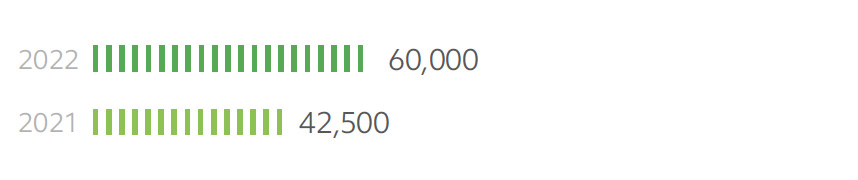
Average monthly salary of production personnel
In addition to the basic salary, in accordance with the Collective Bargaining Agreement, the Company provides for:
- payment for overtime work, work on holidays and weekends, at night;
- allowances and surcharges;
- remuneration of employees engaged in heavy work, work with harmful (especially harmful), dangerous working conditions;
- payment of additional annual leave;
- payment of compensation in the amount of three salaries upon termination of an employment contract, in connection with retirement.
The ratio of the minimum wage for women to the minimum wage for men is 100%. The wages of men and women are equal, while the wages of employees depend on the conditions and reward for work. Due to the industrial nature of the business, which often requires physical labour, men are charged an additional payment for harmful working conditions, for professional skills and other payments.
THE RATIO OF THE BASIC REMUNERATION OF WOMEN AND MEN, KZT
| Indicator | 2021 | 2022 | ||
|---|---|---|---|---|
| Men | Women | Men | Women | |
| Entry level employee salary | 145,688 | 128,354 | 186,000 | 170,000 |
Motivation and involvement of staff
The current motivation system of Samruk-Energy JSC aims at opening the maximum potential of employees. To increase motivation and involvement, one-time bonus payments are provided for national holidays: on the Power Engineer’s Day, on the Independence Day, on the Miner's Day, etc., non-material remuneration and benefits (awards, letters of thanks, diplomas).
Thus, employees who combine work with education are provided with additional vacations for the period of examination or installation sessions, preparation and defence of a graduation project, passing final exams.
In addition, the Company provides corporate awards and incentives to motivate employees. When celebrating the Day of the Republic of Kazakhstan and the Day of Energy, distinguished employees of the Company were awarded with state, departmental, industry and corporate rewards, as well as rewards from Samruk-Kazyna JSC. According to the results of 2022, 532 employees of the Samruk-Energy JSC Group of companies were nominated for state, industry and corporate awards.
Based on the feedback received, the Company will make recommendations to improve the well-being of the staff.
Youth policy
To organise, improve and increase the activity of young professionals, the Company has a Youth Council Jas Energy. This helps to increase their activity in solving social and operational problems and participating in the corporate culture development.
Implementing the programme for the youth policy development in the Group of companies of Samruk- Kazyna JSC (hereinafter referred to as the Fund), in 2022, we selected 50 young specialists from the Fund’s portfolio companies, their subsidiaries, affiliates and branches. They passed the challenge and the youth forum and will participate in the modular programme for the young leadership development Zheti Kadam.
As part of training of young specialists, the Fund formed a youth pool to develop their leadership potential, familiarise them with the techniques for introducing managerial competencies, develop communication skills, the ability to work in a team, and understand the principles of budget planning. Five employees of the JSC Samruk-Energy Group of companies take part in this programme.
For young unexperienced professionals, if necessary, a mentor is assigned from among the personnel of the structural unit. The mentor can be the immediate head of the structural unit or the supervising head, who can simultaneously train no more than two new employees. The mentor’s role is to inform about possible difficulties, the most common mistakes. He acquaints with the procedure for interaction with the Company’s structural divisions and third-parties depending on the functional area of activity. He also explains the norms of corporate ethics and rules of conduct, as well as provides practical assistance in work.
Youth Councils
To promote an active youth policy the Group created the Youth Councils. They aims at creating socio- economic, legal, organisational conditions and guarantees for the spiritual, cultural, educational, professional and physical development of young people, revealing their creative potential. Such youth councils are already functioning in Alatau Zharyk Company JSC – Alatay Jastary, in Bogatyr Komir LLP - the Council of Working Youth, uniting 1,658 people, Youth Active at Ekibastuz GRES-2.
Members of Youth Councils take an active part in all meetings with local communities (akimat, non- governmental organisations, social actions, etc.). Thus, in the reporting period, the Youth Active of Ekibastuz GRES-2 held a meeting with the deputies of the Majilis of the Parliament and the deputy akim of the Pavlodar region with the participation of the youth of the Solnechny village. They discussed issues related to the formation and implementation of youth policy, as well as state support for youth. They also met with the Vice Minister of the Ministry of Information and Social Development of the Republic of Kazakhstan on the development of corporate social responsibility practices and the realisation of the potential of youth.
Ensuring social guarantees and social stability
We strive to ensure social security and create comfortable working conditions for our employees. The Company offers employees a wide range of programmes aimed at improving the welfare and security of employees and their families.
SOCIAL GUARANTEES AND BENEFITS OF SAMRUK-ENERGY JSC

life insurance and voluntary medical
insurance

compensation for incapacity for work/disability,
temporary disability allowance, maternity
allowance
maternity/paternity leave,
parental leave up to three
years

provision of a pension (in
accordance with the law)

material assistance for the birth of a child, for
the burial of close relatives, as well as material
assistance to relatives for the burial of a
Company’s employee
Voluntary medical insurance programmes
The Company has voluntary medical insurance programmes for employees providing for:
- round-the-clock consulting and dispatching service;
- round-the-clock emergency medical service;
- outpatient care;
- hospital treatment;
- additional services such as dentistry and medicines, insurance of citizens traveling abroad, medical supervision for the entire period of pregnancy and childbirth, as well as free attachment of family members.
Support for pensioners and people with disabilities
To maintain social support for non-working pensioners and disabled persons, the Company implements the following activities:
- payment of a one-time allowance to a retired employee;
- provision of material assistance to non-working pensioners of the Company on the occasion of national and state holidays of the Republic of Kazakhstan and the Power Engineer's Day;
- invitation of non-working pensioners of the Company to celebrations held by the Company to provide moral and psychological support;
- payment, to the extent possible, of material assistance to disabled persons (who received a disability while working in the Company and left their employment) for treatment, additional food, purchase of medicines, training for another profession, if the disabled person needs these types of assistance and does not receive them free of charge.
All employees of our Company are entitled to parental leave in accordance with the law. The Company highlights family values and provides material support to employees who have a child.
To improve the health of employees, the Company provides additional days to paid annual leave for long service. We work consistently to promote a healthy lifestyle, partially compensate the health improvement expenses in health resort and children's health centres for disabled children and orphans of the Company's employees. Thus, in 2022, more than 400 children of employees of the Samruk-Energy JSC Group of companies improved their health in the sports and recreation camp in the foothills of the Zailiysky Alatau at an altitude of 1,800 m above sea level. In addition, the Group's personnel underwent an annual health improvement programme at the Birch Grove recreation centre and in the best sanatoriums in Pavlodar, Kostanay and the South Kazakhstan region. Also, sanatorium and resort treatment was provided in various medical and recreational complexes of the Republic of Kazakhstan.
We support our employees’ going in for sports. In the reporting period, the NGO Local Trade Union Seriktes held competitions in togyzkumalak, chess, arm wrestling, streetball, volleyball, billiards and tennis among the employees of Alatau Zharyk Kompanysy JSC.
AlmatyEnergoSbyt staff takes part in the VII Athletics Games
On 20-21 August 2022, we held the regional qualifying competitions of the VII Athletics Games in Almaty among employees of the Samruk-Kazyna JSC as part of the Jas Samruk Fund’s project aimed at promoting a healthy lifestyle, supporting and developing the youth of Kazakhstan.
32 employees of AlmatyEnergoSbyt LLP took part in the Athletics Games in seven sports: mini- football, volleyball, streetball, arm wrestling, table tennis, chess, arcan tartu.
Collective Bargaining Agreement
The Collective Bargaining Agreement is key to protecting labour rights, economic and social guarantees of employees. The Agreement regulates labour relations and effective dialogue between the Company and personnel. An integral condition of the Collective Bargaining Agreement is to notify employees about significant changes in working conditions one month prior to the proposed changes.
Labour relations of employees not covered by collective bargaining agreements (in the absence of a Collective Bargaining Agreement in subsidiaries and affiliates) are regulated by internal regulations on wages and social benefits in accordance with the labour legislation of the Republic of Kazakhstan. Social payments and benefits provided by the Collective Bargaining Agreements include:
- material assistance for health improvement for holidays, for the birth of a child, for a wedding, for a funeral (of an employee and close relatives), for the treatment of retired employees, for emergencies, etc.;
- financial assistance in connection with loss of income (parental leave, leave in connection with the adoption of a newborn child);
- voluntary medical insurance;
- spa treatment for employees and children;
- a one-time incentive in connection with the anniversary - 50, 60 and 70 years, expenses for holding festive, cultural and sports events, New Year gifts for children, etc.;
- repayment of loans;
- allowance for injury and loss of a breadwinner.
Employees who are not covered by collective agreements are subject to internal regulations on wages and social benefits.
Trade unions
Trade unions being the authorised representatives of employees in social partnership carry out regulation and protection of professional, economic and social labour rights and professional interests of employees.
Samruk-Energy JSC recognises the right of employees to join associations to protect their interests. We also support the right of employees to choose their representatives and provide the necessary conditions for this in accordance with the laws and practices of the Republic of Kazakhstan.
Staff development and training
We consider the development and training of personnel as a holistic project. It not only provides the necessary level of professionalism and qualifications of employees to solve production problems, ensure economical, trouble-free and efficient operation of equipment. It also contributes to the development of the Company's corporate culture.
The Company’s Rules of vocational training and adaptation of Samruk-Energy JSC employees determine the goals, objectives, main types of training, the procedure for interaction between structural divisions of Samruk- Energy JSC, the responsibility, powers and duties of employees, heads of structural divisions in arranging professional and internal training of the Company's employees.
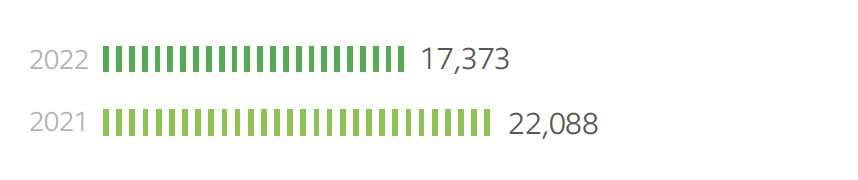
EMPLOYEE TRAINING COSTS
Total costs for employee training, ‘000 KZT
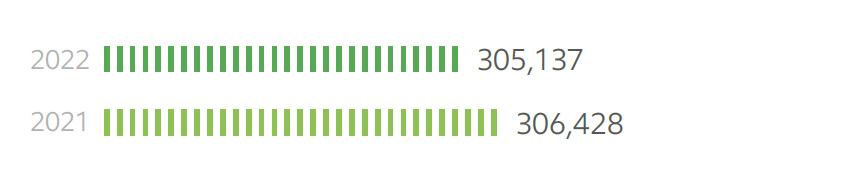
Training costs per employee per year, KZT
The Rules also systematise actions and procedures in the field of professional development of employees and efficient use of the Company's budget funds.
The main directions of personnel development and training programmes are:
- operation of coal-fired boiler/steam turbines of thermal power plants;
- mentoring and training of internal trainers sessions;
- MBA and EMBA programmes;
- English language courses;
- seminars, trainings and conferences on the functional orientation of personnel activities;
- training and development of the Talent Pool.
The implementation of programmes is provided both with a break and on the job, with the issuance of a certificate or qualification certificate.
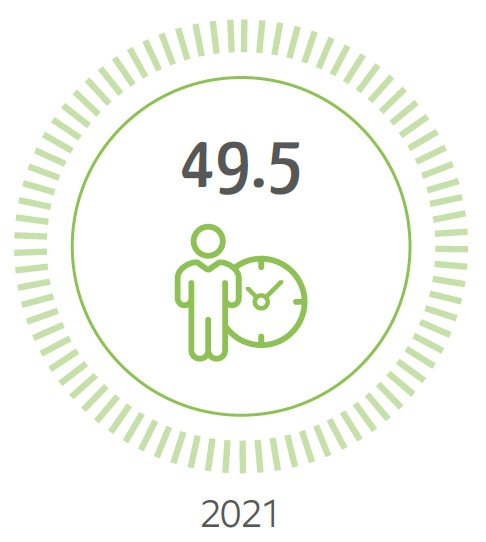
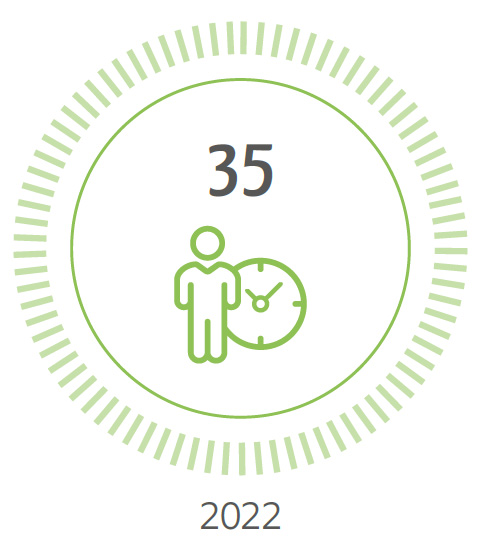
AVERAGE NUMBER OF HOURS OF TRAINING PER EMPLOYEE ON AVERAGE FOR THE COMPANY, PERSON/H
AVERAGE NUMBER OF TRAINING HOURS PER EMPLOYEE BY GENDER, PERSONS/HOUR
Men

Women

AVERAGE NUMBER OF TRAINING HOURS PER EMPLOYEE BY CATEGORY, PERSON/H
| Indicator | 2021 | 2022 |
|---|---|---|
| Top Management | 32.84 | 22.9 |
| Administrative and management personnel | 38.4 | 31.1 |
| Production personnel | 44.75 | 35.9 |
| Service staff | 1.4 | 1.2 |
Talent Pool
To maintain and develop competitiveness, proactively respond to external and internal challenges, build the potential of promising and highly professional employees, educate our own management personnel, the Company develops a system of succession and talent management.
The Company forms a unified talent pool based on the principles of objectivity, transparency, fairness, voluntariness and efficiency and in accordance with the Talent Management Rules of Samruk-Energy JSC.
Samruk-Energy’s Board of Directors and governing bodies pay increased attention to the formation and implementation of the succession plan for leadership positions.
The process of the personnel reserve formation and development is closely integrated with the annual assessment of the employees’ performance, carried out in accordance with the Rules for assessing the performance of Samruk-Energy JSC employees, providing for:
- a comprehensive (final) assessment of goals and competencies, including self-assessment, review of skills and potential, evaluation and provision of directions for improving performance and development opportunities
- quarterly interim performance review, monitoring the degree of achievement of goals for the reporting period
Based on the results of the assessment, we build a Talent Map, personnel reserve, develop individual development plans (IDP) of reservists, involved mentoring, internship and succession programmes.
The results of the final assessment are also the basis for making appropriate decisions when changing the official salary, as well as paying annual bonuses. Altogether, 130 people had performance and career development assessments in 2022.
EVALUATION OF THE PERFORMANCE AND CAREER DEVELOPMENT OF THE COMPANY'S EMPLOYEES
| Indicator | 2020 | 2021 | 2022 |
|---|---|---|---|
| Total number of employees who completed regular performance and career development reviews | |||
| Men (total) | 93 | 80 | 69 |
| Leaders | 27 | 19 | 13 |
| Managers | 66 | 61 | 56 |
| Women (total) | 71 | 67 | 61 |
| Leaders | 11 | 8 | 5 |
| Managers | 60 | 59 | 56 |
| Percentage of total employees receiving regular performance and career development reviews | |||
| Men (total) | 57% | 54% | 53% |
| Leaders | 29% | 24% | 19% |
| Managers | 71% | 76% | 81% |
| Women (total) | 43% | 46% | 47% |
| Leaders | 15% | 12% | 8% |
| Managers | 85% | 88% | 92% |
Talent Pool
As part of creating necessary conditions for training and development of the personnel reserve, the Company implements the Talent Pool programme. Its main principle is the targeted training of management personnel to ensure the continuity of management, as well as provide employees with opportunities for the development and career growth in the Samruk-Energy JSC Group of companies. In 2022, in accordance with the individual development plan of the Talent Pool programme, nine employees passed training on the topic Effective communications through the prism of the generation theory. We also arranged a meeting of the Talent Pool with members of the Executive Body.
Cooperation with the education institution
To form a reliable personnel reserve, the Company actively cooperates with the leading higher educational institutions of Kazakhstan. We are involved in the development of dual education. In addition, we offer students and graduates of universities to undergo industrial and undergraduate practice at our enterprises with the possibility of subsequent employment. In 2022, 372 students completed internships at the Company, 172 students completed the practice and internships.
The Company cooperates with key educational institutions:
- Ekibastuz Mining and Technical College, State public utility company;
- Ekibastuz Polytechnic College, State public utility company;
- Satbayev Ekibastuz College of Engineering and Technology Institute NJSC Ekibastuz;
- College of Innovative Eurasian University;
- Gumarbek Daukeev Almaty University of Energy and Communications NJSC;
- Almaty State College of Energy and Electronic Technologies;
- Saken Seifullin Kazakh Agrotechnical University NJSC;
- Abylkas Saginov Karaganda Technical University NJSC;
- Toraigyrov University NJSC;
- Gumilyov Eurasian National University NJSC;
- Al-Farabi Kazakh National University NJSC;
- Nazarbayev University.
National Contest in Physics and Mathematics
In 2022, Almaty University of Energy and Communications held the Republican Contest in Physics and Mathematics with the support of Samruk-Energy JSC. More than 60 students from nine technical universities of the country, as well as future applicants, took part in the Contest. University students competed in two disciplines: electric power industry and thermal power engineering. Graduation students demonstrated their knowledge in physics and mathematics. Scholarships were paid to the winners of the Contest in accordance with the Regulations on the Republican Contest in Physics and Mathematics among future power engineers23.
Corporate culture and internal communications
One of the Company's priorities is to introduce high ethical standards and build an effective corporate culture.
THE MAIN VALUES LYING AT THE CORE OF SAMRUK-ENERGY’S CORPORATE CULTURE

mentoring

reliability
justice
professionalism
In 2022, we conducted a corporate training Culture of recognition and gratitude for both managers (CEO-1, CEO-2) and specialists (CEO-3) to strengthen the Company’s corporate values.
This training helped the Company's employees master the techniques of gratitude and positive feedback (motivating, developing). They identified areas for development in terms of non-material motivation of employees through a culture of recognition and gratitude. They also developed common solutions and possible tools / techniques for building the culture of recognition and gratitude in the Company and in their teams.
MAIN COMMUNICATION CHANNELS:

Corporate internal portal

Corporate newsletter




Corporate pages in social networks
The Company posts news on social networking pages, as well as information about projects and initiatives in the Group's social policy.
Corporate volunteering
To increase employee engagement, moral satisfaction from doing good deeds, and strengthen the team, we actively develop and support various corporate volunteer programmes.
Key events within corporate volunteering in 2022:
- environmental campaign for garbage collection
- assistance to the Ekibastuz residents in the emergency situation, when an accident took place at the thermal power plant. The Company's volunteers helped people not to freeze by providing them with heaters, hot food and warm clothes. Our energy specialists helped to eliminate the accident at the city thermal power plant
- charity event Wish Tree for children with cancer
- charity chess tournament
- Jas Energy Youth Council arranged a Book Club and together with the Company's Ombudsman held the campaign Let's Get the Children to School
Plans for 2023 and a medium term
Following the 2022-2031 Development Strategy, we aim at becoming the key and most attractive employer in the regions of operation. Our core priority areas in terms of social development as part of the ESG principles implementation will be:
- increasing the level of social responsibility and following the principles of the UN Global Compact;
- implementing high ethical standards, development of a value system and building a corporate culture based on trust, investment in human capital and professional development;
- implementing high ethical standards, development of a value system and building a corporate culture based on trust, investment in human capital and professional development);
- social security (prevention of discrimination, violations of human rights, observance of equal rights and opportunities);
- adhering to the principles of gender equality (increasing the number of women among employees and in the personnel reserve, ensuring the optimal number of women in management positions);
- controlling personnel turnover, retention of internal talents and attraction of highly professional personnel (talent management, development of internal competencies);
- developing HR-branding, including the introduction of EVP approach and approval of the Roadmap for the EVP formation at Samruk-Energy JSC;
- improving the occupational health and safety management system and increasing its effectiveness (transparency of reports on implemented incidents to prevent cases with more severe consequences – deaths, accidents), improving the safety culture and the effectiveness of monitoring the labour protection management system through the personnel involvement and using international standards.
Environment
Health and Safety
In its production activities, Samruk-Energy's main priority is strict compliance with rules and regulations of occupational safety and ensuring safe working conditions for personnel and contractors. We conduct our business in accordance with the requirements of the legislation of Kazakhstan and our voluntary commitments to ISO 45001.
Samruk-Energy strives to eliminate accidents and emergencies and consistently works to ensure safe working conditions, promote safety culture and healthy lifestyle principles, and introduce new advanced technologies.
Samruk-Energy goals in H&S area include:
- enhancing operational efficiency with continuous improvement of the corporate management system and its processes
- complying with all applicable regulations and requirements for effective H&S management in accordance with legislation, international standards and global best practices
- ensuring a safe and favourable working environment, eliminating hazards and reducing the risks of occupational hazards and harmful factors to the health of employees and stakeholders, preventing and eliminating any possible causes
- using modern equipment, new machinery and technology, collective and personal protective gear
- consulting with personnel and ensuring their involvement in H&S activities
During the reporting period, the Company continued to implement its H&S strategy and objectives. It also identified the need to review its strategy/policy. The Company developed the HSE Management Plan for 2022- 2023 as a motivational key performance indicator for the Company's executives.
In accordance to the Plan, all subsidiaries and affiliates conducted activities to achieve zero occupational injury, implement individual accountability system, and develop Mitigation Actions Roadmap and Action Plan. They also implemented different organisational and preventive measures. In 2022, the completion rate of all planned activities was 100%.
The focus areas of Samruk-Energy to reduce occupational injuries and improve working conditions are as follows:

H&S management system improvement and efficiency increase (transparency of reports on incidents to prevent more severe cases (fatalities, accidents)

safety culture improvement through employee engagement in the H&S management system and more efficient monitoring of the H&S management system using international standards
The principles and rules of the Samruk-Energy policy on the reduction of occupational injuries and improvement of working conditions are binding on all employees and contractors.
Health and Safety Management System
Samruk-Energy H&S management system covers 100% of employees of Samruk-Energy and its contractors. The system is based on the applicable legal requirements of Kazakhstan, the principles of Samruk-Energy in the field of occupational health and safety and some other corporate documents.
The main regulatory documents defining the Company's principles and rules in the field of occupational health and safety are:
- Samruk-Energy HSE Policy;
- Samruk-Energy Development Strategy for 2022–2031;
- Occupational Health and Safety Risk Assessment Standard;
- Motivation of Personnel for Safe Behaviour Standard;
- Rules for reporting accidents.
H&S management is in place at all levels of the Company.
SAMRUK-ENERGY OCCUPATIONAL SAFETY DATA
| Indicator | Figures* |
|---|---|
| Number of employees in the production company central office/headquarters responsible for: | 3 |
| occupational health | 3 |
| occupational safety | - |
| fire safety | - |
| and other areas | - |
| Number of employees in subsidiaries and affiliates responsible for: | 119 |
| occupational health | 78 |
| occupational safety | 18.5 |
| fire safety | 13.5 |
| and other areas | 11 |
| Ratio of H&S employees to 1 Company employee | Total headcount – 16,802, number of occupational safety employees – 105. Ratio of H&S employees to 1 Company employee is 160. |
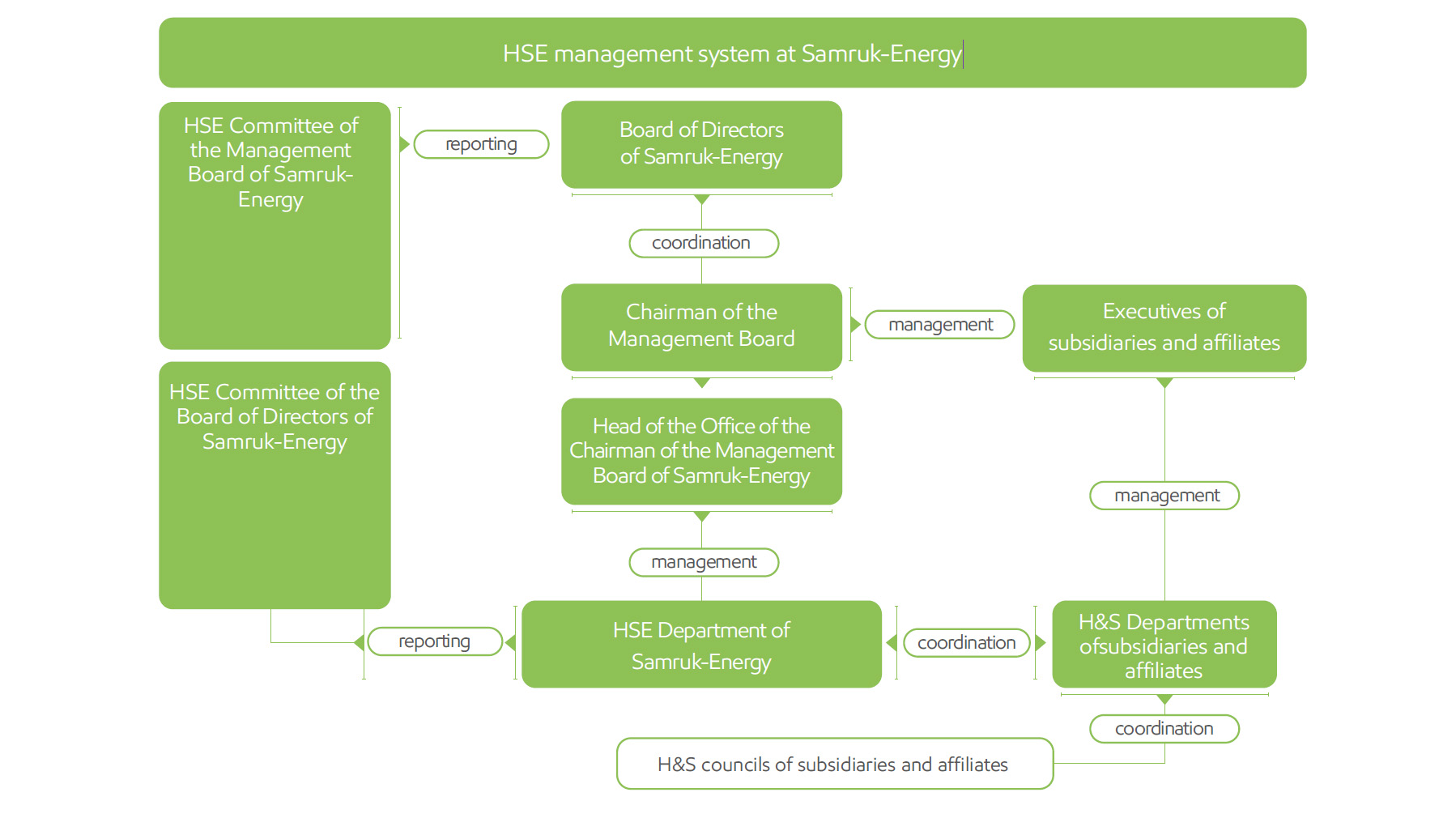
The HSE Managing Director coordinates the overall improvement of the occupational safety system in the Company and its subsidiaries and affiliates. The HSE Managing Director reports directly to the Chairman of the Company's Management Board.
The HSE Department supervised by the HSE Managing Director is responsible for the prevention of HSE rules and regulations violations, incidents response, and occupational safety risk monitoring, analysis and control. H&S departments within subsidiaries and affiliates report to their executives. To maintain effectiveness and timely implementation of necessary changes to H&S management system, the Company continuously analyses the qualification structure of H&S departments within the Company's subsidiaries and affiliates.
Under the leadership of the Chairman of the Management Board, with the participation of CEOs and executives of subsidiaries, quarterly meetings are held to improve safety culture and prevent accidents and injuries.
The HSE committees ensure in-depth and qualitative elaboration of H&S issues and monitor the effectiveness of measures implementation. Based on data analysis the Board of Directors and the Management Board review and approve the Occupational Safety and Risk Management reports. The Committees are committed to respecting confidentiality.
During the reporting period, each of the Committees held four meetings. Among other things, they reviewed quarterly reports on H&S and occupational injuries.
All Samruk-Energy companies have established H&S councils. On a parity basis, they consist of employer and staff representatives, including engineering H&S inspectors. In 2022, the H&S councils held 104 meetings on occupational safety with the participation of staff representatives.
H&S risk assessment and performance
H&S risk management is one of the principles and an integral part of H&S management. It is also an integral part of the corporate risk management system. The Company has implemented the HSE Assessment Standard, which regulates the identification and assessment of risks and hazards to life and health of personnel.
Risk identification and assessment algorithm
1. Identifying sources of hazards
2. Selecting experts for risk identification and assessment commission
3. Approving sources of hazards and members of the commission
4. Identifying and assessing risks
5. Aligning the conducted risk assessment
6. Developing measures to reduce unacceptable risk levels and control acceptable risk levels
7. Aligning the developed measures
8. Approving the risk passport
Every employee of the Company is part of the incident identification process. Such events can be reported by employees through existing communication channels or directly to the line manager. All identified incidents are investigated and the required measures are taken.
Samruk-Energy develops its corporate culture and does its utmost to raise the level of risk management competencies of its employees. Our employees may suspend or stop work if the workplace does not comply with H&S regulations and/or a work situation arises which could lead to injury and/or health aggravation.
To motivate and engage staff in H&S programmes, the Company encourages the proactivity of employees to improve safety in the workplace. Samruk-Energy has implemented a monetary motivation/incentive programme based on the Motivation of Personnel for Safe Behaviour Standard. It gives employees an opportunity to report work-related hazards and dangerous situations. During the reporting period, 816 employees were rewarded.
To assess and prevent potential H&S risks, the Company has launched scheduled and unscheduled H&S compliance audits. In the reporting period, the production company central office/headquarters held 12 scheduled and 5 unscheduled H&S inspections at subsidiaries and affiliates/branches. The inspections identified 300 non-compliances. 252 non-compliances were eliminated. 1,338 internal audits took place in subsidiaries and affiliates for compliance with occupational safety requirements. 6,031 non-compliances were identified, of which 5,910 were eliminated. Public authorities held 39 occupational safety audits of the Company's facilities. The audits covered the areas of health, fire and occupational safety, and sanitary and epidemiological conditions. 463 non-compliances were identified, 387 were eliminated. Corrective action plans have been developed following the inspections.
Investigation of risk incidents
The above documents guide the procedures for investigating accidents and incidents at the Company's facilities. Samruk-Energy promptly provides information regarding each lost time accident in the workplace to the authorised government agency. In case of group accidents or accidents with a severe injury (fatality), the Company is obliged to conduct a special investigation with the involvement of a governmental H&S inspector as required by the laws of Kazakhstan.
The Company also conducts internal investigations of all accidents to reveal the root causes using the "Why Five" and "Why Tree" methods. The Chairman of the Board and executives of subsidiaries and affiliates quarterly review the results of internal investigations. All subsidiaries and affiliates are informed of the results of their investigations in the format of information bulletins, quarterly meetings and injury retrospectives. They detail the accidents that have occurred, their causes and the measures taken by the Company.
To investigate work-related incidents, including the processes for identifying hazards and assessing incident-related risks, determining corrective actions using a hierarchy of controls, and identifying improvements required in the Company's H&S management system, the Company has implemented the Incident Reporting and Investigation Standard.
Investing in health and safety
H&S improvement requires both a systematic approach and investment. The high level of investment in H&S area articulates our responsible attitude to safeguarding the lives and health of our employees.
FINANCING H&S ACTIVITIES, KZT BILLION
| Indicator | 2020 | 2021 | 2022 |
|---|---|---|---|
| Funds spent to meet H&S requirements | 3.126 | 4.336 | 3.789 |
Providing employees with protective equipment at workplace
The Company is working systematically to improve employee safety and to promote a safe working culture. Samruk-Energy provides personal protective equipment and workware to its employees.
H&S initiatives and projects
An important component of the Company's activities is the monitoring and implementation of H&S global best practices. This stems from our desire to protect our employees and maximise their safety. For example, in 2022, as part of the Concept for the Unified Automate Incident and Violation Recording System, the Safe Production and Visualisation of Performance Management pilot projects continued. The projects are aimed at reducing occupational injuries and improving the safety culture of employees, as well as raising awareness of H&S issues among senior managers.
The Company continued to implement the SKE 01.01 project "Introduction of a new integrated safety management model" aimed at improving the safety culture and employee involvement in H&S issues, as well as reducing the H&S hazards (LTIFR, LDR) by 30% within three years following project implementation. The new model based on HSE best practices is designed to improve organisation of management system efficiency in the field of injury prevention. It also aims to ensure transition to a risk-based approach and implementation of corporate standards. In 2022, the final stage was implemented at Ekibastuz GRES-1, Ekibastuz GRES-2, Mamakan HPP, Shulbinskaya HPP, First Wind Power Plant, Almaty Power Plants, Alatau Zharyk Company and SGE.
Activities carried out by the Company to improve the H&S efficiency:
- monitoring the employment of staff in hazardous working conditions (workplace assessments, industrial controls)
- monitoring the provision of personal and collective protective equipment
- providing methodological and information assistance to subsidiaries and affiliates
- monitoring the system of transparent recording of occupational accidents
- monitoring the individual responsibility system (safety vouchers)
- supervising leadership behavioural safety audits
- identifying hazards and assessment of risk significance
- developing incentive mechanisms for reporting potentially dangerous incidents
- conducting internal investigations of accidents to identify the root (systemic) causes
- recording and investigating potentially hazardous incidents that did not result in accidents
- holding workshops at production sites with representatives of departments supervising H&S issues in the Company's subsidiaries and affiliates
- supervising the training of first line managers and H&S officers in IOSH, NEBOSH courses
- developing a Concept for a Unified Automated Incident and Violation Recording System
- holding H&S competitions for all subsidiaries and affiliates
2022 – Year of Occupational Health and Safety
For Samruk-Energy, 2022 was the year of occupational health and safety. All subsidiaries and affiliates held various activities to improve the efficiency of safe production and occupational safety, staff trainings and safe production promotional events.
On 24-25 November, Almaty Power Plants took part in the National Command and Staff Training "Kys-2022". The training was held at the operational centre of the Almaty Emergency Department and in the production departments of Orazbayev CHPP-1, CHPP-3, and ZTK. As part of the training, the Company's personnel practised the scenarios for possible emergencies: extinguishing a fire in a fuel oil tank and a workshop building, evacuating "injured" workers from an 80-metre chimney and an auxiliary building, restoring power lines and providing medical aid to "the injured", search and rescue work by dog handlers in the "collapsed" turbine workshop, emergency recovery work on a gas pipeline, emergency recovery work on a main pipeline.
Ekibastuz GRES-1 held H&S month with a motto "Joining efforts to build a positive culture of occupational health and safety".
Various competitions took place for World Day for Safety and Health at Work:
- Best site (workshop) in occupational health and safety
- Best video
- Best information board for project SKE.01.02.P Safe Production.
Occupational Injuries
Samruk-Energy takes all measures to achieve zero injury goal. Employees report occupational hazards and potential hazardous incidents through the ASPANS platform-based Safe Production automated system using a mobile app or PC, which helps monitor the H&S system at the plant site. The Company has developed the Motivation of Personnel for Safe Behaviour Standard, which defines uniform requirements for the assessment and motivation system for safe behaviour of employees. It encourages employees to have a transparent system for reporting occupational hazards and potential hazardous incidents. The Initiative Reporting Line (Hotline) operates across Samruk-Energy. In accordance with international best practices and to protect the interests of whistleblowers, the Hotline is administered by an independent company. All complaints and appeals received by the Hotline are treated with due professional and confidential consideration. This service guarantees whistleblowers’ protection according to the Company's acting Initiative Reporting Policy. Despite the implementation of preventive and corrective measures, the Company recorded 10 work-related accidents in 2022.
Unfortunately, there were fatalities among the Company's employees in 2022. The Company is genuinely saddened by the fact that despite Samruk-Energy's commitment to achieve zero fatalities, four employees died because of accidents. The Company offers its condolences to the families and friends of our colleagues and deeply regrets these irreparable losses.
FREQUENCY OF OCCUPATIONAL INJURIES AMONG SAMRUK-ENERGY PERSONNEL
| Indicator | 2020 | 2021 | 2022 |
|---|---|---|---|
| Total number of fatalities | 0 | 0 | 4 |
| Fatality rate | 0 | 0 | 0.13 |
| Total number of high-consequence occupational injuries (excluding fatalities) | 7 | 4 | 4 |
| Frequency rate of high-consequence occupational injuries (excluding fatalities) | 0,24 | 0,13 | 0.13 |
| Total number of recorded occupational injuries | 8 | 6 | 10 |
| Occupational injury frequency rate | 0.27 | 0.19 | 0.3355 |
| Number of hours worked24 | 29,163,679 | 30,939,340 | 29,804,062 |
FREQUENCY RATE OF OCCUPATIONAL INJURIES AMONG NON-FULL-TIME SAMRUK-ENERGY PERSONNEL, BUT WHOSE WORK AND/OR WORKPLACE IS UNDER THE COMPANY'S CONTROL
| Indicator | 2020 | 2021 | 2022 |
|---|---|---|---|
| Total number of fatalities | 0 | 0 | 1 |
| Total number of high-consequence occupational injuries (excluding fatalities) | 0 | 0 | 2 |
| Total number of recorded occupational injuries | 0 | 0 | 3 |
All accidents were thoroughly investigated. Based on investigation results, the Company developed 59 corrective measures to prevent similar accidents in the future. These include, among other things, improving the reliability of equipment, working with personnel, and organisational measures.
Hazardous risks are identified in accordance with the requirements of the Company's HSE Assessment Standard. To have a work permit, authorised persons carry out a workplace safety and hazard analysis and fill in a special form. Annually, the Company establishes a risk register.
According to the risks identified, action plans are developed for the management of significant H&S risks and corrective actions.
INFORMATION ON HAZARD IDENTIFICATION, RISK ASSESSMENT AND ACCIDENT INVESTIGATION BY SAMRUK-ENERGY
| Indicator | 2021 | 2022 |
|---|---|---|
| Number of shutdowns of unsafe works | 40 | 92 |
| Number of fire prevention drills conducted by internal teams | 620 | 650 |
| Number of fire prevention drills conducted with the involvement of public emergency services | 7 | 9 |
| Number of emergency response plan drills conducted | 29 | 30 |
| Number of emergency drills according to the emergency response plan | 1,052 | 1,081 |
| Number of behaviour-based safety observations held by management of the production company (СЕО, СЕО-1, СЕО-2), subsidiaries and affiliates (CEO, Deputy CEO, Director of department/unit, head of business unit) | 1,819 | 3,911 |
| Number of behaviour-based safety observations held by other employees | 1,838 | 3,047 |
| Number of audits held by the headquarters/central office o the production company in subsidiaries and affiliates/branches for compliance with H&S requirements | 14 | 15 |
| Number of non-compliances identified during audits held by the headquarters/central office of the production company in subsidiaries and affiliates/branches for compliance with H&S requirements | 225 | 300 |
| Number of eliminated non-compliances that were identified during audits held by the headquarters/central office of the production company in subsidiaries and affiliates/ branches for compliance with H&S requirements | 222 | 252 |
| Number of internal audits in subsidiaries and affiliates/branches for compliance with H&S requirements | 983 | 1,338 |
| Number of non-compliances identified during internal audits in subsidiaries and affiliates/branches for compliance with H&S requirements | 2,503 | 6,031 |
| Number of inspections carried out by state occupational safety authorities | 39 | 39 |
| Occupational health | 5 | 3 |
| Fire safety | 16 | 20 |
| Occupational safety | 4 | 6 |
| Sanitary and epidemiological condition | 14 | 8 |
| Other | 7 | 11 |
| Number of eliminated non-compliances identified by state occupational safety authorities | 784 | 387 |
| Occupational health | 33 | 19 |
| Fire safety | 429 | 252 |
| Occupational safety | 157 | 46 |
| Sanitary and epidemiological condition | 60 | 24 |
| Other | 61 | 42 |
| Number and amount of paid penalties imposed on the production company by state occupational safety authorities | 237,994.405 | 1,545,063.695 |
| Occupational health | 0 | 0 |
| Fire safety | 233,218.755 | 1,534,450.4 |
| Occupational safety | 656.325 | 765.75 |
| Sanitary and epidemiological condition | 3,098.375 | 9,847.545 |
| Other (please specify) | 1,020.95 | 0 |
We carefully analyse the structure and causes of occupational injuries. The most dangerous areas in terms of injuries in the Company's operations are the operating platforms and live parts. The causes of the accidents include insufficient hazard identification and risk assessment, falls from height, exposure to moving, flying, rotating objects and parts, personal negligence of the injured, poor work organisation, inadequate supervision of line personnel, and direct violation of H&S regulations.
TYPES OF INJURIES AMONG SAMRUK-ENERGY PERSONNEL
| Injury | 2020 | 2021 | 2022 |
|---|---|---|---|
| Chemical burn, thermal burn | 0 | 0 | 1 |
| Bruise | 1 | 2 | 2 |
| Traumatic amputation | 1 | 0 | 0 |
| Electrical injuries (thermal burns) | 1 | 0 | 1 |
| Fractures | 1 | 3 | 1 |
| Complex injury (fracture, bruise, lacerations of internal organs) | 4 | 1 | 3 |
| Eye trauma | 0 | 0 | 1 |
| Traumatic brain injury, concussion of the brain | 0 | 0 | 1 |
| Total | 8 | 6 | 10 |
To reduce the risk of injuries, the Company monitored the corrective action plan developed during the investigation of accidents, and improved the occupational safety system by raising the safety culture of personnel in 2022.
Measures to prevent occupational injuries:
- reporting the circumstances and causes of accidents to all employees
- conducting unscheduled briefings for all production personnel
- conducting unscheduled assessment of knowledge of H&S regulations, rules and instructions for employees in the units where the accident occurred
- holding Monthly Safety Days with the participation of senior managers and the development of remedial measures
- conducting comprehensive inspections of equipment, buildings, facilities and workplaces by H&S units, with development of action plans with deadlines and responsible parties
- training, coaching and testing of all operational personnel in accordance with the H&S Training Rules
- holding pre-maintenance seminars at all subsidiaries and affiliates for engineers and technicians from structural units, who are authorised to issue work permits, to be supervisors and operators with practical training on the correct admission of teams to work and the issuance of work permits
- certifying workplaces with regard to working conditions (at least once every five years)
- replacing equipment that has reached the end of its useful life and poses a serious danger to production personnel
- introducing leadership behavioural safety audits
- updating workplace risk map/risk registers, with additional training on hazard identification and risk assessment
Health care
The main hazards of occupational diseases in the Company's workplace are dust, noise and vibration. They are continuously measured in the workplace.
In 2022, no cases of occupational diseases have been recorded for the Company.
We have carried out laboratory research and workplace certification. We have identified workplaces with harmful and hazardous working conditions and carried out workplace monitoring.
The total number of permanent healthcare staff in the Company's subsidiaries and affiliates is 31. Healthcare staff are also employed by the Company under contracts. The Company's subsidiaries and affiliates and the headquarters annually hold tenders for contracts to insure employees against work-related accidents.
As required by law, expenditures on personnel health care and disease prevention measures are approved annually in the Company's development plan.
LIST OF INFORMATION ON HEALTH PROMOTION AND OCCUPATIONAL DISEASES AMONG SAMRUK- ENERGY EMPLOYEES
| Indicator | 2021 | 2022 |
|---|---|---|
| Number of non-occupational, non-fatal occupational health impairments | 13 | 18 |
| Number of non-occupational fatalities due to ill health | 3 | 1 |
| Number of employees on the "D" register | 2,021 | 2,060 |
| Number of recorded occupational diseases | 0 | 0 |
| Number of employees subject to mandatory regular medical check-ups | 14,497 | 14,679 |
| Number of employees who have passed regular medical check-ups in accordance with the legislation of Kazakhstan | 14,282 | 13,877 |
| Number of employees with voluntary health insurance from the employer | 308 | 310 |
The Company ensures regular medical check-ups to monitor the health of employees. During the reporting period, 13,877 employees passed a mandatory regular medical check-up. Following its results, employees with chronic diseases had timely treatment and rehabilitation. Employees with a need for restrictions on working conditions were restricted according to the recommendations of the medical panel. Personnel engaged in hazardous work were provided with a nourishing diet, including milk or equivalent foodstuffs. The Company’s employees have access to corporate health improvement and spa treatment programmes.
The Company has a plan of recreational activities following regular medical check-up in place. It seeks to:
- arrange follow-up medical check-ups for employees suffering from chronic illnesses to ensure timely treatment and rehabilitation;
- arrange health resort treatment for employees suffering from chronic illnesses as advised by a medical panel;
- refer those who are not occupationally fit for further examinations to ensure restrictions on their working conditions as per the opinion of a medical panel.
In addition to regular medical check-ups, all employees involved in hazardous work, machinery and mechanisms undergo pre- and post-shift medical examinations.
To prevent and mitigate significant adverse work-related health effects, the Company continuously carries out preventive measures aimed at preserving the health of its employees. Samruk-Energy regularly vaccinates its employees. In 2022, the Company continued to implement measures to prevent the spread of COVID-19, among them thermometry and mask regime.
The Company monitors the condition of sick employees using the Ashyq App. To enter public places, employees scan a special QR-code via Ashyq and show it at the entrance. The risk rating indicated in the app shows the employee's revaccination status.
Assessing contractors' H&S systems
We realise that the involvement of contractors in H&S processes and H&S management system is important to ensure an overall high level of safety.
The main governing document is the Regulation on Contractors' Works on Site, which consolidates the basic requirements for contractors' H&S management systems. In accordance with this document, the Company carries out H&S audits of both potential and existing contractors to identify the main causes of accidents and incidents and poor workplace management.
The Company has a system of penalties for H&S violations for all contractors. A list of penalties includes termination of cooperation. It is set out in a contractor agreement.
In the reporting period, 39 H&S audits of contractors were held, resulting in 449 non-compliances. The Company imposed 101 fines against contractors for violating H&S requirements for a total of KZT 2.2 million.
Employee informing and training
The main H&S processes include assessing occupational risks; conducting medical check-ups and examinations of employees; conducting employee training; providing employees with personal protective equipment, etc. Good working conditions are among the basic human rights and fundamental principles of decent work. One of the basic principles of H&S management is the assignment of appropriate responsibility to top and middle management. This implies the effective participation of all employees at all levels of the Company and the assignment of responsibilities to each of them. Employees exercise the right to participate in H&S management both directly and through trade unions.
Samruk-Energy improves the H&S knowledge and skills of its personnel. All categories of employees receive H&S training. All training programmes are designed in accordance with legal requirements, separately for each occupation. They are divided into group and individual programmes.
All the Company's production personnel receive H&S training. Samruk-Energy employees are trained in the following areas:
- occupational safety;
- occupational health;
- fire safety;
- first aid;
- safe driving;
- other professional programmes.
All Company personnel receive a compulsory H&S training for occupations and related professions, with a certificate issued by the training centre or by the Company’s own training centre.
The Company strives to raise employees' awareness of H&S issues on an ongoing basis. The Company utilises the tools such as specially designed briefings, information boards, works councils, safety memos and orders. All personnel are informed about occupational hazards and potential incidents through the Safe Production automated system via a mobile app or PC, allowing them to monitor the functioning of the H&S system on the premises.
H&S TRAINING OF EMPLOYEES
| Training | 2021 | 2022 |
|---|---|---|
| Number of employees trained in occupational safety as required by laws of Kazakhstan | 17,671 | 22,344 |
| occupational health | 5,502 | 7,523 |
| occupational safety | 10,341 | 12,291 |
| fire safety | 5,540 | 4,535 |
| other | 3,040 | 4,237 |
| Number of employees trained in occupational safety outside the requirements of the laws of Kazakhstan | 200 | 236 |
| occupational health | 11 | 82 |
| occupational safety | 0 | 0 |
| fire safety | 0 | 0 |
| other | 262 | 294 |
| Number of employees trained to provide first aid (paramedic) at workplace | 60 | 73 |
| Number of employees trained under the NEBOSH programme | 1 | 7 |
| Number of employees trained under the IOSH programme | 4 | 4 |
| Number of employees trained in defensive driving | 0 | 25 |
Fire safety
All Samruk-Energy companies have with primary fire extinguishing means: portable and mobile fire extinguishers, fire hydrants, boxes with fire powder (sand), as well as fire resistant fabrics (fire blankets, felt, etc.).
During scheduled and unscheduled inspections, controlling state authorities, representatives of Samruk-Energy and H&S specialists of all the Company's enterprises monitor the availability of serviceable fire extinguishing equipment.
Samruk-Energy employees regularly receive training and participate in drills. In 2022, internal units conducted 650 fire prevention drills and 9 fire prevention drills involving public emergency services.
Plans for 2023 and a medium term
In 2023, the Company will continue to implement measures aimed at improving the H&S efficiency with continuous improvement of the corporate management system and its processes, including:
- Training on the culture of safety and international H&S standards for production personnel;
- Engagement of top managers into H&S matters through leadership behavioural safety audits;
- Digitalisation of H&S processes, etc.
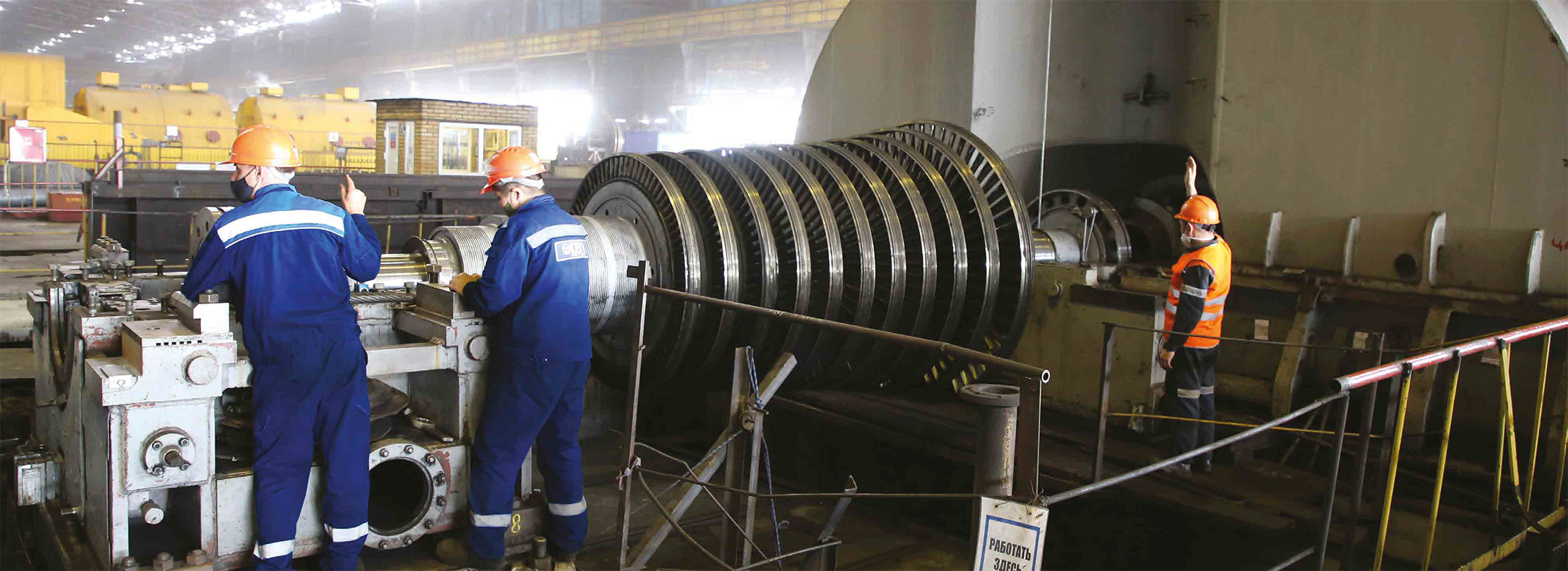
and Economic
Development
Samruk-Energy has an important role to play in the country’s infrastructure as it provides electricity to about 19 million consumers. We offer employment opportunities to locals by creating and maintaining more than 17,000 jobs across Kazakhstan. We also contribute to the economic development of the regions by entering into fair partnerships with our suppliers and contractors.
Our priority is to improve the quality of life for local residents and support social initiatives in all regions of our presence. The Company’s social strategy is focused on creating the environment and conditions for locals to unleash their potential and play an active role in the economic and social growth. We invest in infrastructure and expertise to address current challenges and attract the required resources. Using cleaner energy from renewable sources, preserving biological diversity and reclaiming land help reduce the adverse environmental impact on the regions.
Samruk-Energy’s Development Strategy for 2022-2031 lies at the core of our social policy where the consistent application of environmental, social and management principles is a key priority of our development.
The Department of Corporate Governance and Sustainable Development, the Department of Human Resources Management, and all structural units within their core activities are responsible for managing external social policy and engaging with local communities.
The key regulatory documents outlining the Company’s social strategy include the Sustainable Development Guidelines, the Human Resources Policy, the Health and Safety Policy, the Corporate Governance Code, the Corporate Management System Policy and other corporate documents.
We build a constructive dialogue with our stakeholders at all stages of the Company’s projects, take into account and respect the interests of all stakeholders at all levels of our operations, thus sharing the key aspects of the “precautionary” principle. Our Community Engagement Policy sets out our approaches to identifying stakeholders, providing feedback mechanisms, and disclosing information.
For more, please read Stakeholder Engagementa
The main mechanisms for engagement with local communities include:
- Identifying and analysing stakeholders who are impacted (will be impacted) directly or indirectly or may be interested.
- Planning, with procedures determined at all stages of preparation and implementation, holding consultations.
- Disclosing information to accept and understand risks/impacts, benefits, as well as monitoring and reporting.
- Grievance mechanisms.
The nature and regularity of stakeholder engagement vary depending on the project’s nature/scope, risks/ potential negative consequences on the impacted communities, vulnerable environments, and the degree of public interest. We hold consultations in the form of public hearings with local residents regarding new projects, prepare corresponding materials in compliance with the laws, and cooperate with local authorities. Any disagreements are resolved in accordance with the law, and the overall project assessment takes account of the interests of local residents.
Social and economic contribution
In the reporting period, we regularly organised activities and events to ensure a long-term productive relationship with the regions of presence and strengthen our image as a socially responsible company.
We contribute significantly to the well-being as well as social and economic development of the regions of operations by:
- paying taxes and thus bringing significant revenues to the regional budgets;
- investing in local communities through donations to charity organisations, NGOs and research institutions, maintaining public infrastructure, direct funding of social programmes, cultural and educational events;
- providing jobs for local residents.
Economic sustainability of regions
Samruk-Energy creates economic value for its employees and local communities and, as a socially responsible company, we support the well-being of the country by paying taxes, creating jobs and developing infrastructure.
At the end of 2022, the created economic value was KZT 519 billion, the distributed economic value made 419 billion tenge, and the undistributed economic value amounted to 102 billion tenge. According to the Development Plan for 2023-2027, we are going to increase the created and distributed economic value in 2023-2024.
CREATED AND DISTRIBUTED ECONOMIC VALUE, KZT MILLION
| Indicator | 2020 | 2021 | 2022 | 2023 | 2024 |
|---|---|---|---|---|---|
| fact | fact | fact | projection | projection | |
| Created economic value | 382,199 | 465,806 | 520,350 | 594,777 | 684,955 |
| Sales revenue | 380,990 | 463,690 | 517,254 | 591,385 | 683,767 |
| Remuneration (per cent) | 1,209 | 2,116 | 3,096 | 3,391 | 1,188 |
| Distributed economic value | 312,894 | 363,943 | 407,694 | 474,684 | 568,914 |
| Operating costs | 194,386 | 228,733 | 246,973 | 311,972 | 379,770 |
| Salary and social expenditure | 43,700 | 50,327 | 63,625 | 66,683 | 70,584 |
| Payments to capital providers | 32,571 | 32,702 | 30,453 | 27,755 | 38,437 |
| Payments to government | 42,152 | 52,149 | 66,518 | 68,019 | 79,867 |
| Undistributed economic value | 69,305 | 101,862 | 112,656 | 120,093 | 116,040 |
Tax obligations
We contribute to the development of the country’s regions as we are a big taxpayer that strictly complies with the applicable taxation laws of Kazakhstan.
In 2022, the Company paid KZT 54,681 million in taxes, including 27% paid to local budgets.
Samruk-Energy25 has the Tax Accounting Policy in place to ensure compliance of tax accounting with the principles of commitment, transparency and consistency of the taxation system. The Policy builds on the Tax Code of the Republic of Kazakhstan and domestic taxation laws, and complies with the international financial reporting standards.
Samruk-Energy’s tax policy is approved by the Management Board. The Management Board of the Company can make decisions to amend or supplement the Tax Policy. The senior representatives of structural units of the financial and economic departments can initiate changes. The Deputy Chairman of the Board for Finance and Economics monitors the implementation of the requirements. The Director of the Financial Accounting Department, Chief Accountant, is responsible for management and compliance with the requirements, as well as for conformity and reliability of the information.
Changes in the Company’s Tax Policy can be initiated in the following cases: if changes made to the Tax Code affect changes in tax accounting, and if these changes lead to a more reliable presentation of events and business transactions in the Company’s tax reporting.
The Company’s tax policy is consistent with the overall business strategy and approaches to corporate governance and risk management.
Our approach to taxation is to fully comply with the applicable tax laws, agreements, regulations and other taxation instructions, and ensure the effective control of tax accounting and tax reporting.
The Company is focused on building a robust culture to support and manage risks across all business units. We regularly review risk management policies and procedures to take account of new developments and implement best practices.
The ongoing changes in international and national tax laws, as well as variable practical application of these laws in courts, may result in tax disputes and potential additional tax liabilities. Therefore, the Company continuously monitors and analyses national and international tax laws, case laws, guidelines and practices. We regularly assess our tax positions to ensure they are properly disclosed in the financial statements.
We maintain tax accounting records on the basis of accounting data provided by the Department of Financial and Tax Accounting in accordance with the following laws, regulations and internal documents:
- the Code of the Republic of Kazakhstan On Taxes and Other Obligatory Payments to the Budgets;
- the Law of the Republic of Kazakhstan On Accounting and Financial Reporting;
- International financial reporting standards;
- the standard chart of accounts approved by the order of the Minister of Finance of the Republic of Kazakhstan;
- Corporate accounting policy of the Company;
- Corporate chart of accounts of the Company;
- Guidelines, instructions, internal regulations and other documents on maintenance of accounting records.
Our tax policy has a low tolerance to tax risk – we strive to minimise the risk of disputes with the tax authorities by being open and transparent about our tax operations. We seek to reduce the level of tax risk arising from our operations as far as is reasonably practicable by ensuring that we pay particular attention to all processes that can materially affect our compliance with tax obligations.
Our approach is focused on managing tax risks and tax payments in accordance with applicable laws and the highest long-term expectations of shareholders, with consideration to operational, economic and reputational factors. Maintaining an open dialogue with the tax authorities at various levels is central to our Tax Policy, helping us avoid adverse tax consequences.
Stakeholder engagement on tax issues
The Company maintains a regular dialogue with stakeholders on tax-related issues. We stand for transparent engagement and open communication with the tax authorities, and provide the required reporting on time and in compliance with applicable laws.
We worked with the government authorities with regard to the tax risks that arose during Horizontal Monitoring project implemented by the State Revenue Committee of the Ministry of Finance of the Republic of Kazakhstan.
We asked to clarify if it was correct to assign the equipment for generating and transforming electrical energy to the Equipment Group in accordance with the Classifier of Fixed Assets, and received a positive opinion.
In addition, we engage in discussions to amend the Tax Code on VAT and CIT to be withheld at the source of payment, and our proposals have been submitted for discussion and inclusion in the New Tax Code.
We do not use any tax avoidance schemes in our operations.
YOU CAN REPORT ANY ACTUAL AND/OR ALLEGED VIOLATION OF TAX LAWS BY CONTACTING THE
hotline
via email

8 771 191 88 16

phone
8 800 080 47 47
use the feedback form on our website
Tax incentives
Tax incentives are important in attracting investment to priority sectors and fostering economic growth. Therefore, Samruk-Energy regularly analyses if the tax incentives provided by the law can be applied to the investment projects that we and our subsidiaries and affiliates roll out.
In 2012-2021, Moynak HPP had a preference for the exemption of corporate income tax in line with the investment agreement26 and the Decree of the Government of the Republic of Kazakhstan27.
Developing local communities
We help implement various projects and programmes to promote social and economic development of the regions of operations and engage local communities. We annually develop programmes and initiatives that lie at the core of our business. They take account of the needs and priorities of our stakeholders and disclose our goals in the reporting period, including the UN Sustainable Development Goals.
KEY PROJECTS AND PROGRAMMES ROLLED OUT IN 2022
SUPPORTING PHYSICAL EDUCATION
Developing physical education and supporting sports in the regions of our presence is one of the priorities of our social policy that we implement on a long-term basis. The sports and recreation centre based in Solnechny village in the premises of Ekibastuz GRES-2 Power Station operates on a permanent basis. The facility is open to the station employees and local residents. The centre has a swimming pool where coaches offer free swimming lessons for different age groups.
ASSISTING THE
VULNERABLE
The Company is committed to supporting vulnerable social groups and developing the skills and talents of children and youth. In the reporting period, we provided financial assistance to retirees of GRES-2 residing at Solnechny village and Ekibastuz on the Day of Older Persons, and organised a special event for retired power engineers of GRES-2.
We held the We Are Together campaign to help pensioners clear snow from the yards, organise New Year celebrations and give presents to lonely pensioners and children from socially vulnerable families of Solnechny village.
In 2022, the Company held various entertainment and educational events for disabled children, children from large families, and orphans. In particular, kids benefited from cooking master classes, excursions, school plays, trips to the skating rink and bowling alley, free classes at an art school, etc. We also ran various sports competitions and a track and field race, held the State Symbols and Nicotine for Vitamin campaigns, and organised a charity fair and excursions to the Zhusup ata mausoleum.
Bogatyr Komir launched and implemented the Boxes of Goodness initiative – food and other assistance to lowincome, disadvantaged and large families, pensioners, and people who found themselves left in the lurch. As part of our social initiatives, Almaty Power Plants and Energy Local Trade Union provided assistance to 280 large and low-income families.
The youth and Do Good initiative group supported by Amanat political party, Ekibastuz GRES-2 Power Station and the trade union organised concerts for nursing homes for the elderly and disabled in Pavlodar Region. Moreover, the Company joined efforts with the local veteran club’s folk choir to run a month-long campaign for local amateurs to perform at concerts out in the villages of Ekibastuz District.
SUPPORTING
EDUCATION
Supported by Ekibastuz GRES-2, we set up an IT room at Kainar educational centre to improve children’s and adults’ PC skills.
The Company arranged several field trips for students of Almaty State College of Energy and Electronic Technologies and students of the college at Almaty University of Power Engineering and Telecommunications.
Our employees were engaged in the Road to School campaign launched by the Foundation of Samruk- Kazyna in concert with the Committee for Children Rights Protection of the Ministry of Education of the Republic of Kazakhstan. The campaign sought to provide assistance to school children from low-income families. The full set of stationery was purchased to prepare 12,000 backpacks for first graders from ten regions of the country.
DEVELOPING SOCIAL AND CULTURAL ENVIRONMENT
The Company provides assistance with constructing, reconstructing, repairing and fitting out urban social infrastructure facilities as well as landscaping.
To comply with the Memorandum on Cooperation and Social Development signed by Bogatyr Komir and Ekibastuz local council, the Company allocated funds to buy materials for the construction of a hotel on the premises of Isabek Ishan Khazret mausoleum based at Kyldykol, Ekibastuz rural area. Also, the Company used in-house resources to produce and install ramps and handrails in Ekibastuz District to ensure comfortable travel for disabled people.
As part of the social partnership deal, Ekibastuz GRES-2 briefed the local council of Solnechny village on SKTrust Corporate Foundation granting social assistance to NGOs. Then, it asked SK-Trust to consider providing sponsorship to keep on building a mosque in Ushterek village and look at the proposals to implement social projects. In addition, we joined efforts with the local council of Solnechny village to gather and clean garbage, improve and maintain the area of residential buildings, parks, squares, the mosque, and the orthodox church. Ekibastuz GRES-2 regularly helps the village council, providing vehicles and equipment to remove household waste, landscaping common areas, repairing fences and children’s playgrounds.
Our Plant
Environmental management
As the largest diversified holding company committed to sustainable development principles, Samruk-Energy realises the importance of the environmental situation in its operating regions. The Company operates under the applicable laws of Kazakhstan, sustainable development concept, voluntary commitments to ISO 14001 and global best practices. We also strive to comply with international environmental regulations and commitments and consistently implement energy, material, and environmental protection measures.
The Company has several fundamental documents setting the Company's principles and rules in the field of environmental protection:
- Corporate Management System Policy
- Samruk-Energy HSE Policy
- Environmental Management Standard
- Environmental Emergency and Response Manual
COMPANY'S ESG PRIORITIES IN THE FIELD OF ENVIRONMENTAL PROTECTION
Environmental sustainability, which includes the search for and implementation of environmentally and economically superior technologies
reduction of impact on fauna and flora by improving the activities under environmental impact assessment

Improvement of the environmental
management system

Improvements in bulky
waste and consumption
waste management
Implementation of the energy saving and
energy efficiency programme

Minimisation of impacts on water protection, including reduction of freshwater consumption, increase in the share of reused and recycled water, reduction of wastewater discharges and concentrations of harmful substances in waste water

Samruk-Energy economy decarbonisation, including increasing the share of electricity generation by RES and HPPs, implementing RES projects, boosting support for clean technologies, gasification of coal departments of the Almaty power complex
Samruk-Energy principles and rules in the field of environmental protection apply to all Company's employees, suppliers of goods, works and services, and contractors.
Environmental protection issues are managed at all Company levels. Samruk-Energy Operational Excellence Department coordinates environmental protection domain at the headquarters level. The Company's subsidiaries and affiliates have designated environmental management units, which also ensure that contractors are properly informed and comply with the Company's environmental requirements.
The Company's management constantly monitors the environmental situation. The Operational Excellence Department prepares a daily report on environmental management issues for the Chairman of the Management Board and the members of the Management Board, as part of staff and operational meetings. Quarterly environmental reports are submitted to the members of the HSE Committee and the Board of Directors of Samruk-Energy.
An environmental management system as an integral part of its corporate governance system and an essential part of its non-financial risk management system. The Environmental Emergency and Response Manual has been approved.
The environmental management system of Samruk-Energy is continuously assessed for compliance with the best international practices. Independent international consultants help with its step-by-step improvement. The Environmental Emergency and Response Manual is adjusted following disasters and emergencies at subsidiaries and affiliates or in the areas where they operate. Adjustments are also made in identifying more contemporary and effective emergency and response activities.
Selected employee projects and initiatives in the field of environmental protection
- In 2022, an annual tree planting was held. A total of 3,915 trees have been planted in the Kapshagay HPP and TPP-2 areas. As part of the greening programme for the sanitary protection zone of Bogatyr Komir for the period 2022-2026, 3,179 trees and bushes have been planted on an area of 110,000 ha. To minimise the negative impact on the Solnechny village, Ekibastuz GRES-2 planted 2,000 trees.
- As part of the project "Bring the Batteries — Save the Planet!" and "Save the Green Planet", Almaty Power Plants employees collected 51 kg of waste batteries and 11 tonnes of scrap paper. Bogatyr Komir staff collected 18,350 kg of scrap paper.
- As part of Astana Day celebration, the Group's staff took an active part in a nationwide campaign "No Litter in Nature" to clean up the foothills of the Zailiysky Alatau. The main message of the campaign was to draw public attention to the importance of growing an environmental culture and cultivating the responsible attitude to the environment.
- For the World Environment Day, the Company launched an environmental campaign "Plogging with GRES-2: Doing Sports and Caring for Nature".
- In support of the World Cleanup Day global campaign, the "Birge Taza Kazakhstan" and "TazaLike" projects for landscaping and rubbish collection were implemented. The global annual Earth Hour and Eco-Challenge campaign was held among Samruk-Kazyna Group of Companies.
Environmental protection costs
Aware of its responsibility towards present and future generations for the negative environmental impact of production activities by its subsidiaries and affiliates, the Company invests a lot in environmental protection activities.
According to Kazakh legislation, environmental inspections are mandatory to prevent damage to the environment.
In 2022, scheduled inspections of compliance with Kazakhstan environmental legislation were carried out at the Company's main power facilities — Ekibastuz GRES-1, Ekibastuz GRES-2, Almaty Power Plants, and Bogatyr Komir.
The inspections identified the following violations:
- carrying out microsphere mining operations without a positive opinion from the state environmental impact assessment authority;
- incorrect data in the PEC report;
- dusting of ash dumps;
- exceeding permissible emission limits;
- no hydro-dusting system;
- mixing of hazardous and non-hazardous waste, no labelling of waste.
The detected violations were eliminated within the deadlines set by the environmental authorities. Repeated unscheduled inspections confirmed the elimination of violations.
The Company has also paid about KZT 7.5 billion in regulatory emission charges (tax).
Environmental compliance and reporting
The Environmental Code of Kazakhstan classifies the main production activities of Samruk-Energy subsidiaries and affiliates as special nature management regulated by relevant requirements and regulations. Each Company's subsidiary and affiliate is responsible for its environmental impact within the framework of the environmental permit obtained and other special nature management conditions.
The Company makes every effort to comply with all applicable environmental regulations and the expectations of its stakeholders. For example, before launching new projects and facilities, Samruk-Energy carries out a mandatory Environmental Impact Assessment (EIA). It includes a mandatory information campaign on planned activities and possible environmental impact to identify and consider opinions of all stakeholders. During the reporting period, the Company held 14 public hearings as part of the Environmental Impact Assessment for its projects.
Air emissions
The production activities of Ekibastuz GRES-1, Ekibastuz GRES-2, Almaty Power Plants operating on fossil fuels and the mining company Bogatyr Komir lead to air emissions. Therefore, the reduction of air pollution is one of Samruk-Energy's main priorities in the field of environmental protection.
To minimise air emissions, the Company regularly checks the efficiency of its equipment and takes relevant measures, introduces new technological solutions.
As part of production monitoring, Ekibastuz GRES-1, Ekibastuz GRES-2, Almaty Power Plants and Bogatyr Komir continuously monitor technical and technological indicators of equipment that affect the volume of emissions, discharges, and waste generation.
Ekibastuz GRES-1, Ekibastuz GRES-2, Almaty Power Plants and Bogatyr Komir have identified environmental aspects, assessed environmental risks and opportunities related to environmental aspects, developed Environmental Risk Maps and Environmental Risk Management Plans.
Analysis of actual technical and environmental performance in comparison with normative and similar periods of previous years and proofs of environmental risks are provided on a quarterly basis to the management of energy facilities and to senior management of the Company. This enables effective decision making and implementation of corrective measures.
In 2022, the Company carried out all scheduled environmental protection activities. Among them there were air, water, land, flora and fauna protection and biodiversity conservation activities. All activities had a positive impact. They enabled to reduce emissions of pollutants, greenhouse gases and waste, and increase the amount of water recycling, thereby reduce the burden on the environment.
There is also ongoing industrial environmental monitoring of compliance with maximum permissible emissions. The Company submits regular reports to the regulatory authority. Air quality is regularly monitored to ensure compliance with all applicable regulations in accordance with the Industrial Environmental Control Programme. Each facility has its own Programme.
The environmental regulations of Kazakhstan impose strict air emissions limits. The volumes of pollutants shall be in line with production processes as well as developed designs and standards agreed with authorised state bodies. These emissions shall be regulated by special permits.
To meet Kazakhstan's environmental laws and reduce environmental impact, the Company is looking for new, modern, and efficient technologies to reduce the impact on the natural environment and humans. In 2022, Ekibastuz GRES-1, Ekibastuz GRES-2, Almaty Power Plants examined modern technologies for their applicability to operating facilities. Following examination results, the selected technologies will be applied to subsidiaries and affiliates.
Emission monitoring includes watching emissions at the source to keep track of production losses, the amount and quality of emissions, and their changes.
Ekibastuz GRES-1, Ekibastuz GRES-2, Almaty Power Plants, and Bogatyr Komir are also responsible for measuring the emissions of harmful substances from flue gases, such as nitrogen oxides, sulphur dioxide, carbon monoxide, and dust. The measurements are made in accordance with the Production Monitoring Schedule of specialized accredited laboratories. A special software calculates the volume of major equipment emissions that go into air with flue gases. Based on the information, a Report on Air Protection is prepared (Form No. 2-ТП (Air). The Agency for Statistics in Kazakhstan establishes the frequency of the report.
When designing new facilities, the Company considers several factors to further reduce the Group's impact on air. In the case of the Ekibastuz plants of national importance, the proximity of the fuel source was ensured to minimise the negative impact from coal transportation. The appropriate height of the chimneys also ensured optimal dispersion conditions for pollutants given the topography, wind rose, and distance from residential areas.
The Company is undertaking modernisation measures on existing equipment, including initiatives to reduce pollutant emissions. In 2022, the Company converted to gas CHPP-1 and ZTK, which are located in the urban agglomeration. Gasification of CHPP-2 and CHPP-3 is at the design stage.
There were no significant changes in the structure of emissions compared to the previous reporting period.
The main sources of pollutants in the Company are boiler units, oil and fuel oil farms, and ash dumps located within fuel stations and boiler plants (Ekibastuz GRES-1, Ekibastuz GRES-2, Almaty Power Plants and Bogatyr Komir). The key pollutants (markers) typical of Ekibastuz GRES-1, Ekibastuz GRES-2, Almaty Power Plants, and Bogatyr Komir are formed during fuel combustion and include:
- nitrogen oxides (a gaseous substances from coal, gas and fuel oil combustion, auxiliary sources and vehicles);
- sulphur dioxide (a gaseous substance from coal and fuel oil combustion, auxiliary sources and vehicles);
- fuel oil ash (a solid substance from oil fuel combustion);
- ash/dust (solid substances from coal and fuel oil combustion, auxiliary sources and vehicles, ash dumps);
- carbon monoxide (a gaseous substance from coal, gas and fuel oil combustion, auxiliary sources and vehicles);
- VOCs — volatile organic compounds (chemical compounds emitted as gases from solid or liquid substances and generated by auxiliary sources);
- POCs — persistent organic compounds are not emitted by Ekibastuz GRES-1, Ekibastuz GRES-2, Almaty Power Plants, and Bogatyr Komir
Measures taken to reduce greenhouse gas emissions in the atmosphere in 2022:
- repairs and adjustments for main and auxiliary equipment;
- fuel saving;
- operational and technical measures to improve energy efficiency;
- reduced energy consumption for own needs
Regular monitoring of gaseous and particulate emissions, production data such as fuel consumption, dry gas volume, concentration of hazardous substances in flue gases is used to calculate emissions of marker pollutants according to the following approved methodologies:
- Methodology for Determining Air Pollutant Emissions for Thermal Power Plants and Boilers (Annex 3 to the Order).
- Methodology for Calculating Emissions of Air Pollutants from Cement Production Plants (Annex 6 to the Order).
- Methodology for Calculating Air Pollutant Emissions from Category 4 Facilities (Annex 7 to the Order).
- Methodology for Calculating Emission Standards from Non-Organised Sources (Annex 8 to the Order) and other national methodologies available on the official website of the Ministry of Ecology and Natural Resources of the Republic of Kazakhstan www.gov.kz/memleket/entities/ecogeo
For monitoring purposes, Ekibastuz GRES-1, Ekibastuz GRES-2, Almaty Power Plants, and Bogatyr Komir apply laboratory and calculation methods. These methods are based on reporting data on fuel consumption records, laboratory analysis of fuel chemical composition and pollutant concentrations in flue gases. Pollutant volumes are calculated using approved methodologies. The monitoring of pollutants is conducted as part of industrial monitoring conducted by a subsidiary or affiliate, and industrial environmental control is conducted by a thirdparty accredited organisation. Industrial monitoring takes place on monthly basis. Industrial environmental control takes place on quarterly basis.
On monthly and quarterly basis, Ekibastuz GRES-1, Ekibastuz GRES-2, Almaty Power Plants, and Bogatyr Komir report data on pollutant volumes compared to the normative values, with an analysis of increase/decrease factors. Once a year Ekibastuz GRES-1, Ekibastuz GRES-2, Almaty Power Plants, and Bogatyr Komir submit reports according to 2-TP Air Form.
In 2022, the Company launched projects to install automated monitoring systems at emission sources. These systems will allow for real-time monitoring of key indicators and quick response to any deviations or corrective actions. From 2022, the Company will report heavy metal emissions from coal combustion. These emissions are calculated in accordance with the new methodologies approved in 2022. The data will be provided to the Pollutant Release and Transfer Register (PRTR) maintained by the designated environmental authority
To meet its commitment to minimise ash emissions, the Company uses ash-collecting technologies. Ekibastuz GRES-1 and Ekibastuz GRES-2 use electrostatic precipitators. Almaty TPPs use new generation emulsifiers. Low-emission burners are used to suppress nitrogen oxide formation. Modes are chosen with the help of highpressure heaters and turbine feed pumps powered by the 4th turbine steam extraction.
On industrial sites and the boundaries of sanitary protection zones, Ekibastuz GRES-1, Ekibastuz GRES-2, Almaty Power Plants and Bogatyr Komir ensure quarterly industrial environmental control over compliance with maximum permissible emissions standards. Regular e-reports are available on the Unified Environmental Portal developed by regulatory authorities.
To ensure effective decisions and take corrective measures, the management of energy facilities and the top management of the Company receive quarterly reports on actual environmental performance and the results of industrial environmental control.
Environmental performance analysis showed that specific pollutant emissions from Ekibastuz GRES- 1, Ekibastuz GRES-2, Almaty Power Plants and Bogatyr Komir decreased by 2% in 2022 (9.68 g/kWh in 2021 vs. 9.48 g/ kWh in 2022). The implementation of environmental protection plans with regard to air protection and the energy efficiency programme with regard to the reduction of specific natural fuel consumption contributed to this decrease. The 2022 consolidation perimeter of pollutant emissions includes the following subsidiaries and affiliates: Ekibastuz GRES-1, Ekibastuz GRES-2, Almaty Power Plants and Bogatyr Komir.
AIR EMISSIONS PER UNIT OF OUTPUT, G/KWH
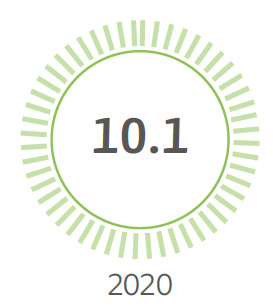
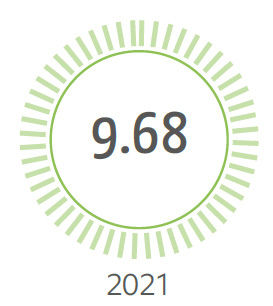
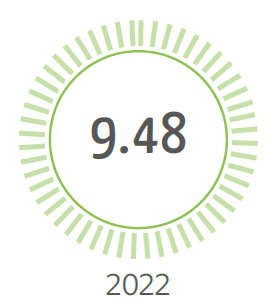
Responsible water management
Like any other company in the energy sector Samruk-Energy cannot operate without water resources. The water management issue therefore is a priority. Despite that Ekibastuz GRES-1, Ekibastuz GRES-2, Almaty Power Plants, Bogatyr Komir, Moynak HPP, Shardariskaya HPP, and Alatau Zharyk Company do not consume water in water-scarce regions, the Company strives to ensure a responsible approach to water management. To reduce freshwater consumption and thoroughly treat discharged water, we assess water-related risks and manage water consumption and disposal.
Effective water management is an essential part of the Company's environmental policy, which promotes better interaction with local communities, the state, and investors.
The intake of water from both surface and groundwater sources is done in accordance with the acting legislation (based on water use agreements and water use permits) and does not have any significant environmental impact. Our primary objective is to reduce freshwater consumption and increase the proportion of water that is reused and recycled.
The Company's water resources are managed in accordance with the guidelines set forth in the Water Code of Kazakhstan and water protection permits.
The Corporate Management System Policy and the Environmental Management Standard articulate the Company's commitments and principles regarding water management, including but not limited to:
- responsible water management, sustainable water balance;
- assessment and documenting of the original sources of water intake, whether it is taken directly or purchased from intermediaries;
- continuous improvement and adaptation of the Company's water management plans and actions;
- minimisation of potable water use for industrial purposes;
- annual inventory of water and wastewater metering devices at water intake sites and wastewater receivers to check their availability, serviceability, timely calibration, and sealing by an authorised body;
- refusal to conduct the Company's activities in water-scarce areas.
The Company works closely with local communities and authorities to ensure that clean water is available. We also welcome inquiries from people and address their concerns about the Company's impact on local water bodies.
Ekibastuz GRES-1, Ekibastuz GRES-2, Almaty Power Plants, Bogatyr Komir, Moynak HPP, Shardarinskaya HPP and Alatau Zharyk Company continuously monitor the quality of surface and ground water, sources of utility and potable water supply and waste water. As part of industrial environmental control, accredited laboratories perform analyses to determine the content of harmful substances in waste water, surface and groundwater sources. Following these analyses, studies are launched to generate a dataset. This dataset allows to make conclusions about the nature, quantity, and extent of the Company's effect on the aquatic environment. The information received allows to develop corrective measures for water management.
In 2022, the Company reduced the specific volume of ash and slag waste. The result was a 1.6% reduction in water consumption for waste transportation and in wastewater discharge. In the reporting period, we continued to save water by using recirculated water supply systems with an offstream reservoir cooler and through-flow hydraulic ash removal systems at Ekibastuz TPPs and recirculating cooling systems with cooling towers and reuse of waste water from ash dumps at Almaty TPPs.
PERCENTAGE AND TOTAL VOLUME OF RECYCLED AND REUSED WATER, MEGALITRES
Recycled or reused water and circulating water
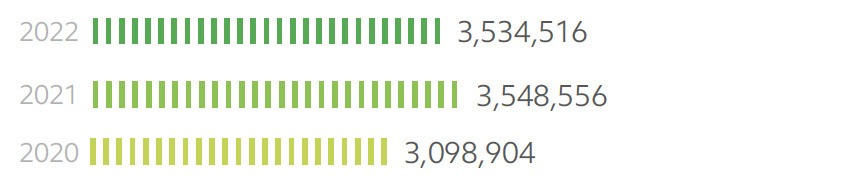
Percentage of recycled and reused water
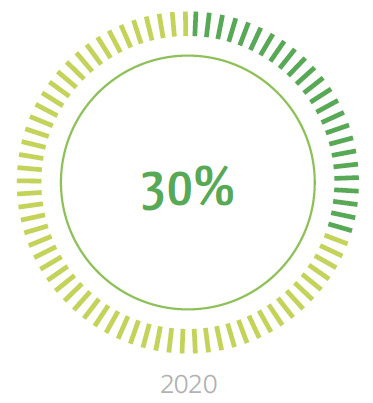
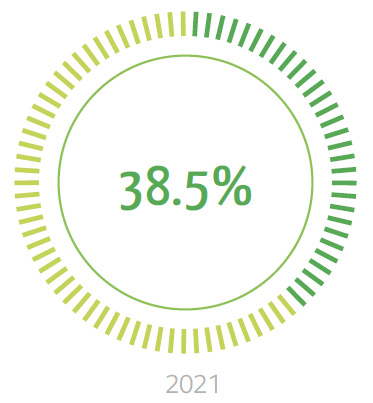
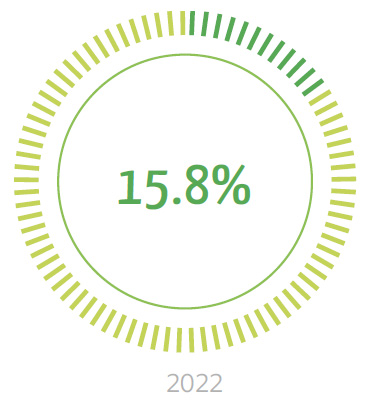
PRODUCTION WATER EFFICIENCY, M³/KWH
Water taken per unit of output
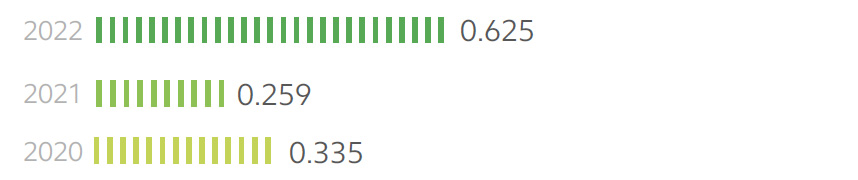
Ekibastuz GRES-1, Ekibastuz GRES-2, Almaty Power Plants, Bogatyr Komir, Moynak HPP, Shardarinskaya HPP, and Alatau Zharyk Company intake water for their production needs in accordance with designed projects and standards agreed with authorised state bodies. We also develop Water Stewardship Plans. The Plans define measures to reduce the use of fresh water, discharge of normative purified water, water losses during transportation and implementation of wastewater reuse systems.
The Company's main water resources are: Bestiubinskoye Reservoir (Moynak HPP), Shardarinskoye Reservoir (Shardarinskaya HPP), Kanysh Satpayev Canal (Ekibastuz GRES-1 named after Bulat Nurzhanov, Ekibastuz GRES-2), Shidertinskoye water reservoir (Ekibastuz GRES-2), Big Almaty Lake, and Big Almatynka River Basin (Cascade HPP), Kapchagay Reservoir (Kapchagay HPP).
We adhere to strict wastewater management standards to minimise the impact on water resources. The Company strives to comply with the established limits for wastewater discharges as well as the limits for permissible impacts on water bodies. The Company has no significant impact on the biodiversity of water bodies and associated habitats.
In 2022, accredited specialised laboratories conducted regular monitoring of water bodies in accordance with the Industrial Environmental Control Programme. The monitoring covered determination of the chemical composition and quality of surface water, groundwater, and waste water. In the reporting period, there were no registered cases of exceeding the maximum permissible concentrations of pollutants in wastewater discharges by Ekibastuz GRES-1, Ekibastuz GRES-2, Almaty Power Plants, Bogatyr Komir, Moynak HPP, Shardarinskaya HPP and Alatau Zharyk Company.
The water discharge to surface water bodies and storage ponds forms from storm water from the site area, domestic effluents, and normative purified water that is not utilized in technological process.
Industrial effluents used for ash and slag waste disposal are discharged to an ash dump. No discharge into natural bodies is allowed.
Except for water-transported ash waste effluents, all discharges are treated to meet approved sanitary and hygienic standards in accordance with the Methodology for Measuring Environmental Emission Standards. Legal standards are established for the content and volume of pollutants in waste water, based on draft standards for maximum permissible discharges and the conclusion of sanitary- epidemiological and ecological expertise.
Production and business operations of Ekibastuz GRES-1, Ekibastuz GRES-2, Almaty Power Plants, Bogatyr Komir, Moynak HPP, Shardarinskaya HPP, and Alatau Zharyk Company generate two types of waste water:
- waste water from the hydraulic ash removal system and standard pure water generated after the cooling of hydroelectric units and transformers, as well as after commissioning of HPP generators (more than 99% of the Company's waste water);
- domestic waste water from the administration building, canteen and other auxiliary units (less than 1% of the Company's waste water).
Before being discharged into a water body, domestic wastewater is treated at Stok biological treatment plant, consisting of two parallel lines (1 operating, 1 standby), with a design capacity of 15 m3/day each. The treatment facilities include the following units: biological treatment unit; sewage post- treatment filter; and disinfection unit.
Two groups of indicators are used to assess surface water pollution: general and specific. General indicators are comprehensive indicators of water quality, i.e., mineralisation, pH value, hardness, etc. Specific indicators include COD, BOD, petroleum products, ammonium salts, nitrates, nitrites, phosphates, surfactants, total iron, fluorides, suspended solids, copper.
In 2022, Ekibastuz GRES-1, Ekibastuz GRES-2, Almaty Power Plants, Bogatyr Komir, Moynak HPP, Shardarinskaya HPP and Alatau Zharyk Company discharged 22,277,709.1 megalitres of wastewater. The increase in the volume of water discharge is due to disclosure of water discharge from the Company's HPPs. At the same time, the volume of water intake of Samruk-Energy increased 2.4 times compared to 2021, up to 22,366,918 megalitres. This is a result of increased electricity generation at the Company's enterprises and disclosure of water intake by Cascade HPP and Kapchagay HPP, as well as water scarcity in 2021.
In the reporting period, no cases of exceeding the maximum permissible concentrations of pollutants in domestic wastewater discharges were recorded at Ekibastuz GRES-1, Ekibastuz GRES-2, Almaty Power Plants, Bogatyr Komir, Moynak HPP, Shardarinskaya HPP and Alatau Zharyk Company.
In 2022, the volume of water intake by Ekibastuz GRES-1, Ekibastuz GRES-2, Almaty Power Plants, Bogatyr Komir, Moynak HPP, Shardarinskaya HPP and Alatau Zharyk Company for production and domestic drinking was 22,415,179 megalitres. Ninety-nine per cent of the water taken is used to drive the HPPs generators to generate electricity. The volume of water consumption by Ekibastuz GRES- 1, Ekibastuz GRES-2, Almaty Power Plants, Bogatyr Komir, Moynak HPP, Shardarinskaya HPP and Alatau Zharyk Company amounted to 137,470.8 megalitres.
The Company’s process of data collection for monitoring water consumption and intake is as follows:
| Enterprise | Data collection process |
|---|---|
| Samruk-Energy | Annual request sent to subsidiaries and affiliates in accordance with the reporting form and if water use information is required. |
| Almaty Power Plants | Water intake/consumption data is collected daily via e-mail. The data includes the amount of makeup water transferred to Teplovye Seti water discharge from Almaty and Talgar water intakes for the needs of CHPP-1 and CHPP-2, and water releases according to the BABI faxgram instructions for Kapchagay HPP and Cascade HPP. All data is available in the daily report — Daily Report for Almaty Power Plants. Monthly reporting data on water intake/ consumption/discharge balance is collected via e-mail from each enteprise. |
| Ekibastuz GRES-1 and Ekibastuz GRES-2 | Metering devices in the automated system are used for primary (daily) water metering, that includes water taken from Kanysh Satpayev Canal via water treatment pipelines for domestic drinking need; water transferred to secondary water users, for ash hydro removal, for auxiliary needs (industrial and fire-fighting water supply). To record and monitor consumption, data is recorded in an Excel sheet and in a primary water metering log. |
| Moynak HPP and Shardarinskaya HPP | The plant's operations staff monitors and records water flow through the plant's turbines 24 hours a day. The operator of the main water intake pumping station monitors the consumption of water for domestic drinking needs |
| Bogatyr Komir | According to the Order on the Maintenance of Energy Supply Facilities, parties responsible for water meters monthly submit readings from installed metering devices for subsequent reconciliation and preparation of a report on water meter readings with the Municipal Water Company. The wastewater metering devices installed at specific facilities have a monthly printout of the archived data according to the contract concluded with the contractor. To monitor water consumption, withdrawal and discharge, water metering data on drainage water discharge is daily recorded and entered in the water metering log according to the template in Annex 1 to the Primary Water Metering Regulations. |
Waste management
We are committed to resource efficiency and strive to reduce the amount of waste we generate and our environmental footprint at all stages — from power generation to maintenance of our facilities. We conduct regular analyses to identify sources of waste generation and develop mitigation measures.
Production and consumption waste management is in line with:
- Corporate Environmental Management Standard.
- Waste management programmes.
- Waste Management Action Plan.
Our priority is to minimise risks associated with waste generation. Ekibastuz GRES-1, Ekibastuz GRES-2, Almaty Power Plants, and Bogatyr Komir implement different waste management activities.
All types of waste generated by Ekibastuz GRES-1, Ekibastuz GRES-2, Almaty Power Plants, and Bogatyr Komir have been identified based on waste generation source inventory. Each identified waste type has a specific accumulation method. The accumulation method is assigned based on the assessment of its hazard class and toxicity, aggregate state, solubility, volatility, hazard characteristics and other parameters that have environmental impact. According to the assessment criteria given in the Waste Classifier approved by the environmental regulator, all wastes of Ekibastuz GRES-1, Ekibastuz GRES-2, Almaty Power Plants, and Bogatyr Komir are divided into two categories, hazardous and non-hazardous.
Due to the distinct characteristics of the operations of Ekibastuz GRES-1, Ekibastuz GRES-2, Almaty Power Plants, and Bogatyr Komir, the primary component of the total volume of waste is comprised of large-tonnage waste, including ash and slag waste, as well as overburden rock from coal mines of Bogatyr Komir, which are classified as non-hazardous.
To minimise the negative impact of Bogatyr Komir on adjacent areas, the Company reduces the volume of overburden rocks in external dumps by developing projects to use the internal developed space of Severny and Bogatyr open pits as internal dumps. Inert rock insulation of dumps and sealing of the dumps roof prevent oxidation processes and spontaneous ignition of the coal-bearing rock deposited in dumps.
Ash and slag waste from Ekibastuz GRES-1, Ekibastuz GRES-2 and Almaty Power Plants is buried in ash dumps. Ekibastuz GRES-1 and Ekibastuz GRES-2apply dust suppression measures when burying wastes under water's edge. Almaty Power Plants apply a unique combined technology of coating with a layer of soil and planting of perennial grasses and shrubs. We carry out annual reclamation of spent areas of ash dumps. Ash and slag are also recycled for use in road construction and production of building materials.
The development of HPPs and RES facilities of Samruk-Energy also contributes to the reduction of ash and slag waste generated per unit of output. Non-hazardous waste also includes office supplies, packaging, furniture, tools that have lost their useful properties, sweepings from cleaning, food waste, etc. This waste is classified as consumption waste. It requires separate collection, recycling, or disposal. There are limits for their disposal volumes.
Hazardous waste includes industrial and production waste (batteries, waste mercury-containing lamps, waste oils and technical fluids, fuels and lubricants, dyes, resins, varnishes, paints, etc.).
Ekibastuz GRES-1, Ekibastuz GRES-2, Almaty Power Plants, and Bogatyr Komir collect waste batteries. Waste batteries contain lead (accumulates in the body and affects kidneys, nervous system and bones), cadmium (damages lungs and kidneys), mercury (affects brain and nervous system), nickel and zinc (causes dermatitis), alkalis (burns mucous membranes and skin) and other hazardous substances. Batteries discarded with household waste end up in municipal landfill sites. They contain harmful substances which find their way into the soil and groundwater. To prevent this, the Company collects and ensures recycling of batteries. Batteries are not discarded with other household waste. During 2020-2022, the Company collected and handed over for recycling 140 kg of waste batteries.
Ekibastuz GRES-1, Ekibastuz GRES-2, Almaty Power Plants, and Bogatyr Komir do not generate radioactive waste. Quarterly radiation monitoring is carried out within Ekibastuz GRES-1, Ekibastuz GRES-2, Almaty Power Plants and Bogatyr Komir production sites and on the border of their sanitary protection zones. Monitoring results showed no deviations from the permissible level of 2.5 mSv/h.
The category of waste defines the collection method. Separate collection points and special temporary storage areas are equipped with containers/metal containers marked with identification signs.
The Company has identified types of waste that are not acceptable for landfill disposal but allowed for reuse and recycling with subsequent transfer to legal entities and people.
Ekibastuz GRES-1, Ekibastuz GRES-2, Almaty Power Plants, and Bogatyr Komir distinguish the following waste of such type: scrap paper, cardboard, paper waste, plastic, mercury-containing lamps, non-ferrous and ferrous metal scrap, electronic and electrical equipment, batteries, tyres and their fragments and other waste.
Control and monitoring in the waste management system includes logging of waste quantities and movements based on actual mass measurements. All waste quantity values are represented by the mass of waste in tonnes.
Waste disposal sites are constantly monitored. Regular and timely waste removal and disposal is ensured. The Company complies with acting regulations and procedures and disposes of waste or recycles in accordance with legislation.
Ekibastuz GRES-1, Ekibastuz GRES-2, Almaty Power Plants, and Bogatyr Komir monitor contractors' waste management activities. During the procurement phase, the participants have to provide their waste management licence as per each type of waste. They also have to confirm the availability of waste management facilities. Contractors sign contracts and undertake to comply with environmental legislation of Kazakhstan. The environmental services conduct regular inspections of contractors' waste management activities.
Samruk-Energy maintains an ongoing dialogue with stakeholders. Anyone can express concern about the environmental aspects of the Company's activities through special feedback channels. All reports are recorded and processed.
WASTE GENERATED BY SAMRUK-ENERGY’S COMPANIES, TONNES
| Indicator | 2020 | 2021 | 2022 |
|---|---|---|---|
| Total waste generated, incl | 98,722,479.7 | 88,839,712.0 | 89,929,908.3 |
| hazardous | 4,885,513.7 | 5,586,889.2 | 646.9 |
| non-hazardous | 93,836,966.0 | 83,252,822.0 | 89,928,280.5 |
| incl. main types specific to production | 96,128,226.8 | 87,472,541.0 | 89,912,724.9 |
| ash and slag waste | 6,151,178.8 | 7,226,582.0 | 7,129,158.2 |
| overburden | 89,977,048.0 | 80,245,959.0 | 82,783,566.7 |
Late 2021 brought changes to requirements for waste classification. Five hazard classes of waste were replaced by two categories — hazardous and non-hazardous. In 2022, due to changes in waste segregation methodology, waste previously classified as hazard class 3 was moved to hazardous waste.
Conservation of biodiversity
Samruk-Energy is aware of the importance of biodiversity conservation. We consider possible risks and seek to protect and conserve biodiversity at all stages of our operations, including construction of new facilities, modernisation of existing facilities, energy generation activities, decommissioning and dismantling of generation facilities. To achieve the goal, the Сompany implements wildlife conservation measures, cooperates with academic institutions and government agencies, and complies with internal regulations.
The Company's environmental management standard sets out its commitment to implement measures to prevent and/or minimise the impacts of the Company's operations on wildlife, biodiversity conservation plans, risk management and environmental aspects affecting biodiversity.
Guided by acting legislation and our voluntary commitments, we invest in risk analysis at all stages and periods of HPP, RES and REC operations. All our construction and renovation projects undergo an environmental impact assessment. If deemed necessary, the Company develops flora and fauna conservation plan.
Samruk-Energy does not operate in the areas of UNESCO World Heritage Sites, habitats of globally and nationally important flora and fauna species included in international, national and regional red lists, as well as in specially protected natural areas, e.g., by UNESCO and Ramsar Convention.
No rare, endangered species of animals, plants or fungi have been identified in or adjacent to the production sites.
We also make sure that flora and fauna are safe. We hold different activities that reflect the Company's contribution to the UN Sustainable Development Goals 14, 15.
INVESTMENTS IN BIODIVERSITY CONSERVATION, KZT MILLION
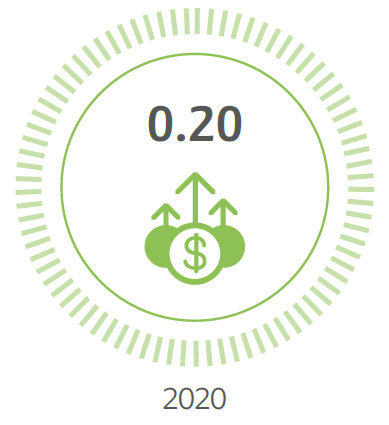
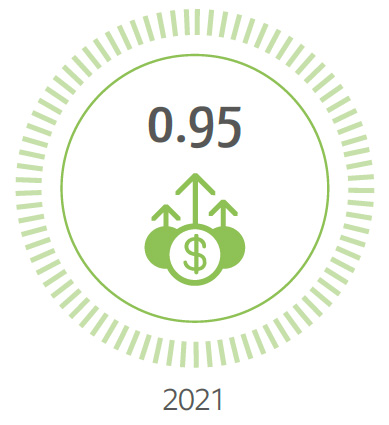
Key Company's biodiversity conservation activities:
- Use of contemporary technologies to minimise the impact of production activities on the environment
- Development and implementation of biodiversity conservation programmes
- Continuous environmental monitoring
To prevent fish mortality, all hydro turbines at HPPs are equipped with fish protection devices. The Kazakh Research Institute of Fishery recommended to implement a fish protection measure near the intake in front of water conduits. At night, water surface is illuminated with floodlights to scare away fish.
To prevent mortality of birds that use overhead power line poles as perch, we upgrade the poles with insulated wires.
To reduce the impact on aquatic and terrestrial (coastal) ecosystems, HPP operation modes are agreed with the Committee on Water Resources of the Ministry of Ecology, Geology and Natural Resources, with akimats and administration of specially protected natural areas (as in case of Moynak HPP). Authorised bodies have to approve water releases for water supply and agricultural purposes (irrigation).
The pre-design and design phases of windmills account for the need to mitigate their environmental impact. To minimise the impact of light pollution on the biorhythms of living beings and to conserve and replenish biodiversity, we are minimising the lighting of wind turbines to perimeter lights only.
Subsidiaries and affiliates develop annual biodiversity conservation programmes. The programmes provide for comprehensive land reclamation at the end of operations of subsidiaries and affiliates to compensate for possible environmental damage. The works are carried out as part of post-utilisation of construction facilities of subsidiaries and affiliates, mitigation of subsoil use consequences28, liquidation and conservation of water wells, closure of landfills and other waste storage and disposal sites, including radioactive ones. In 2022, the Company did not decommission facilities.
Continuous environmental monitoring found no significant direct or indirect impacts on sensitive ecosystems and biodiversity from operations of subsidiaries and affiliates during the reporting period.
The Company does not have facilities near or in specially protected natural areas. The Company complies with all requirements of the Republic of Kazakhstan regarding environmental protection.
Plans for 2023 and a medium term
After the new Environmental Code of the Republic of Kazakhstan comes into effect, Samruk-Energy will have to ensure the reduction of its environmental impact (reduction of harmful greenhouse gas emissions) in the regions where it operates.
The Company plans to:
- implement the best available techniques (BATs). The National Handbook (hereinafter — the Handbook) determines the list of BATs and projected emission thresholds. The Handbook was developed by the International Green Technologies and Investments Centre.
To reduce emissions in flue gases, it is proposed to:
- minimise dust emissions (coal ash) by modernising ash collectors, installing modern electrostatic precipitators, bag filters, scrubbers, with a 99.9% purity rate;
- purify flue gases from sulphur emissions by applying desulphurisation techniques, to clean coal by means of gasification or limestone, ammonia feeding into the boiler furnace, etc.;
- minimise emissions of nitrogen oxides by means of reconstruction of burner units or selective catalytic and non-catalytic reduction methods.
The Company plans to invest KZT 450 billion to implement BATs.
BATs also include the reconstruction of energy facilities with the conversion of the main equipment to natural gas combustion or the construction of new gas-fired energy sources (e.g., gas turbine unit, combined cycle gas turbine unit). The Company plans to invest KZT 600 billion to construct new gas- fired energy sources.
- To establish a liquidation fund in charge of further arrangements after the physical liquidation of the Company's energy facilities.
Upon decommissioning of Ekibastuz GRES-1, Ekibastuz GRES-2, Almaty Power Plants, and Bogatyr Komir, which belong to Category I facilities and have a negative environmental impact, the Company will ensure elimination of their operational consequences in accordance with the laws of Kazakhstan.
The Company will conduct works to bring land plots to a condition that ensures the safety of life and the protection of the environment.
In 2022, the Company commenced work to assess the physical volume and planned cost of dismantling or reprofiling of buildings and structures located at Ekibastuz GRES-1, Ekibastuz GRES- 2, Almaty Power Plants and Bogatyr Komir, considering the evaluation of alternatives.
Completion is planned for 2023. By the end of 2024, after evaluation, liquidation funds will be established to ensure liquidation of Ekibastuz GRES-1, Ekibastuz GRES-2, Almaty Power Plants and Bogatyr Komir, land reclamation, considering evaluation of reclamation alternatives, continuous monitoring of environmental impact and pollution control after its closure.
The liquidation fund will be funded from annual contributions. They will be determined in direct proportion to the total estimated cost of the liquidation for the period after which the enterprises are to be liquidated.
Fighting Climate Change
Our approach
Samruk-Energy is aware of its role in the global carbon footprint. The Company is continuously working to reduce both direct greenhouse gas emissions from energy production, and indirect emissions from energy consumption. The Company attempts to reduce the carbon intensity of production processes and products in accordance with its Development Strategy, Environmental Policy, and the Energy Transition Programme of Samruk-Energy.
Samruk-Energy supports the government's efforts to achieve carbon neutrality and sees its objective as preserving the share of conventional generation, modernising existing plants and improving equipment efficiency, as well as implementing RES projects and developing alternative energy.
Climate Agenda Management
The global climate agenda is a big challenge for the country's energy industry and for Samruk-Energy, where traditional energy sources play an important role in the country's energy system.
Today, coal accounts for about 70% of Kazakhstan's electricity generation and meets the fuel needs of the population and domestic households. The energy sector is the largest source of emissions. It produces about 80% of all greenhouse gas emissions.
Samruk-Energy includes three major coal-fired power generating entities, Ekibastuz GRES-1, Ekibastuz GRES-2, Almaty Power Plants, and one of the world's largest open-pit coal mining entities, Bogatyr Komir. Given the prevailing share of conventional generation in the Company's assets and the importance of the climate agenda as well as the risks posed by coal-based generation activities, Samruk-Energy will strive to minimise its negative environmental impact by achieving carbon neutrality by 2060.
The 2022-2060 Energy Transition Programme, which sets out intentions and concrete steps towards the decarbonisation of the Company's coal-fired generation activities, contributes to this objective.
Under this programme, the Company envisages a systematic change in the structure of generation. It plans to gradually increase the share of RES generation, apply the best available technologies, research and utilize carbon capture and storage technologies at the Company's coal-fired power plants, and implement energy efficiency and energy saving measures.
Climate risk management
Climate risk identification and risk management
The Company pays attention to climate risk management to guarantee its strategic objectives in the context of adverse impacts.
Samruk-Energy implements different measures to manage climate risks and identify opportunities. The climate change risk assessment plays an important role in determining conditions to develop the Company's strategy, evaluate investment projects, and formulate annual and mid-term plans. The corporate risk management system is a key component of the corporate governance system. It is aimed at the timely identification, assessment, monitoring and mitigation of potential risk events that may adversely affect the strategic objectives. A quarterly risk report is submitted to the Audit Committee of the Board of Directors.
Samruk-Energy has identified climate risks, which are classified as strategic risks. The Company has identified consequences related to climate risks such as physical damage to production assets; disruptions in electricity and coal supply chain; higher costs and longer lead times for investment projects; and disruptions in production.
The financial consequences of the risks before action are penalties for violations of legal restrictions and increased tax rates for greenhouse gas emissions.
Factors that may affect climate risks
Samruk-Energy is aware of the increasing responsibility for climate impact and sees an increasing importance of the following factors that may further affect climate risks:
| Tightening international climate change policy |
International carbon regulation and introduction of Carbon Border Adjustment Mechanism (CBAM) in the EU under the European Green Deal. The mechanism provides for levies on carbon-intensive goods imported into the EU on a prescribed list starting from 2026. These global initiatives will put pressure on the exporting industries. These industries will look for opportunities to reduce their energy intensity, become more environmentally friendly and consume electricity from renewable energy sources. The relevant demands of the economy will potentially be extrapolated to the entire energy sector, where there will be increasing demand for energy sources with a low carbon footprint. |
| Tightening environmental legislation |
Under the Paris Agreement, Kazakhstan aims to reduce greenhouse gas emissions by 15% by December 2030 compared to 1990. In this regard, the Environmental Code of Kazakhstan has strengthened the requirements for the reduction of greenhouse gas emissions. There are also requirements to implement the best available technologies (BAT) and a phased increase in tax rates for environmental emissions in 2, 4 and 8 times in case of non-application of BAT. Businesses unable to implement BAT immediately will have an opportunity to do this step-by-step as part of an environmental efficiency programme. Businesses are also exempt from paying for emissions into the environment. In addition, category 1 enterprises have to install an automated environmental emission monitoring system at their main stationary emission sources to transmit data online to the Ministry of Ecology, Geology and Natural Resources of Kazakhstan. Samruk- Energy plans to implement BAT. |
| Social stability in the mothballing of conventional TPPs |
Compliance with decarbonisation requirements may require mothballing of conventional TPPs and reduction in coal production, which would inevitably affect the well-being of employees and the infrastructure around the city-forming facilities. To increase social stability, it is necessary to implement measures to retrain employees. This will allow employing them at new facilities. The Company needs to cooperate with local authorities to jointly design a development programme for the region. |
| Threats to national energy security |
The Company's current conventional fuel assets form the backbone of the national energy system, as it provides the economy and population with stable, reliable, affordable electricity. Tougher requirements for reducing CO2 emissions and increasing the RES share in the country's generation mix prioritises the issue of energy system stabilisation. Given RES instability and difficult climatic conditions in the country, RES development and full transition to RES is not possible without baseload generation. Given the high priority of energy security and the need to develop basic generation to support RES, the Company will continue to implement projects for the construction of coal-fired generation facilities in the coming years. |
The Company continuously keeps track of the costs of actions taken to manage climate risks and opportunities. The Company assesses greenhouse gas emissions (Scope 1) and implements energy and fuel conservation measures to reduce not only direct emissions but also indirect emissions (Scope 2). In 2022, the cost of risk management actions amounted to about KZT 11 million.
Opportunities
Resource efficiency
The Company sees an opportunity in implementing energy efficiency and energy conservation measures, and is committed to the efficient use of resources, including fuel and water.
The main measure to improve energy saving and energy efficiency is the rational use of fuel and energy resources with the help of innovative technologies and equipment modernisation and technical upgrade.
The implementation of the planned energy saving and energy efficiency measures will reduce the specific fuel consumption per unit of output. This will reduce the specific CO2 emissions per unit of output.
Use of new technologies
Investigation and subsequent implementation of new advanced technologies for carbon capture, use and storage is a key factor in achieving climate goals and meeting society's energy needs to reduce anthropogenic CO2 emissions and reduce the carbon intensity of products.
In future reporting periods, we aim to have a more profound disclosure of the climate change impact on the Company, risks and opportunities in accordance with the TCFD international methodology (Task Force on Climate-related Financial Disclosures).
Energy Transition Programme of Samruk-Energy for 2022-2060
In 2022, the Company developed Samruk-Energy Energy Transition Programme 2022-2060 in accordance with the approved Samruk-Energy Development Strategy 2022-2031. In October 2022, the Company updated its Energy Transition Programme.
The Programme sets out the directions, goals and objectives for the Company's transition to efficient, resource-saving, environmentally friendly technologies, aiming to achieve carbon neutrality by 2060. The goal of the Programme is to reduce the Company's net carbon footprint by 2060. The Programme applies to all subsidiaries of Samruk-Energy. When modelling the scenarios, the Company analysed external and internal factors influencing the objective achievement and identified risks, including socio-economic risks. Given the importance of global trends in limiting climate change and the risks arising from traditional generation, Samruk- Energy will strive to minimise its negative impact on the environment in the horizon until 2060. It also aims to achieve carbon neutrality and become a high- tech operating company bearing high social and environmental responsibility.
When developing its Energy Transition Programme, the Company sought to strike a balance between achieving its goal of reducing carbon footprint, ensuring reliable supply of affordable electricity to consumers, and preserving jobs in the regions where it operates.
PROGRAMME’S GOAL:
REDUCING NET CARBON FOOTPRINT BY 2060
The Company identified five areas of focus to reach the goal
Greenhouse gas emissions
To combat climate change, the nations signed the Paris Agreement in Paris in 2015 to replace the former Kyoto Protocol. Kazakhstan joined the Paris Agreement in December 2016, which set a target of reducing greenhouse gas emissions by at least 15% of the 1990 level by 31 December 2030.
There is also a legally binding requirement for all Kazakh entities that are subject to quotas to have an inventory of greenhouse gas emissions, including certification by an independent accredited body. Among the Company's subsidiaries and affiliates, quota apply to Ekibastuz GRES-1, Ekibastuz GRES-2, Almaty Power Plants, and Bogatyr Komir.
Greenhouse gas emissions from Ekibastuz GRES-1, Ekibastuz GRES-2, Almaty Power Plants, and Bogatyr Komir operations mainly focus on production of electricity and heat from fuel (coal/oil/gas) combustion and coal mining.
This is the second year when the Company has calculated its carbon footprint. In its annual report in 2021, Samruk-Energy published data on greenhouse gas emissions for Ekibastuz GRES-1, Ekibastuz GRES-2, Almaty Power Plants, and Bogatyr Komir. Emissions of carbon dioxide (CO2), methane (CH4) and nitrous oxide (N2O) are included. According to the report, direct carbon dioxide emissions in 2021 amounted to 40.3 million tonnes.
Direct emissions by Ekibastuz GRES-1, Ekibastuz GRES-2, and Almaty Power Plants result from fuel combustion in stationary devices (boiler units) designed to generate electricity and heat and from coal mining at Bogatyr Komir. Data are collected from primary sources, i.e., official technical data reports and laboratory logs. After data processing according to national methodologies, greenhouse gas emission coefficients and volumes is calculated as per emission source and in total for Ekibastuz GRES-1, Ekibastuz GRES-2, Almaty Power Plants, and Bogatyr Komir.
The data is calculated using the approach outlined in GHG Protocol. Data on direct greenhouse gas emissions is calculated according to the methodology for calculating greenhouse gas emissions from boilers of thermal power plants, cogeneration plants and boiler houses and the methodology for calculating greenhouse gas emissions from open and closed coal mining, approved by the Ministry of Ecology and Natural Resources of Kazakhstan. Methodologies are available on the official website of the Ministry of Ecology and Natural Resources of the Republic of Kazakhstan. www.gov.kz/memleket/entities/ecogeo
Data on direct greenhouse gas emissions requires confirmation by independent accredited bodies for each subsidiary and affiliate.
The existing procedure for measuring the main parameters of feedstock consumption played a major role in assessing greenhouse gas emissions from Ekibastuz GRES-1, Ekibastuz GRES-2, Almaty Power Plants and Bogatyr Komir. Basic indicators considered for greenhouse gas monitoring include the volume of fuel combusted, its net calorific value, basic characteristics of fuel composition (ash content per working condition, moisture, sulphur), measurements at boilers (heat losses from mechanical underburning.
In 2022, the Company conducted an inventory of greenhouse gases including Scope 1 emissions.
DIRECT GREENHOUSE GAS EMISSIONS*, 2020-2022 (SCOPE 1)29,30
| Greenhouse gas emissions by type | Units | 2020 | 202131 | 2022 |
|---|---|---|---|---|
| СО2 | tonnes of СО2 | 33,413,976 | 32,951,527 | 31,978,242 |
| СН4 | tonnes of СО2 eq. | 7,173,667 | 7,266,445 | 940,989 |
| N2O | tonnes of СО2 eq. | 91,744 | 76,298 | 74,182 |
Direct greenhouse gas emissions contain 98% of total greenhouse gas emissions of Samruk-Energy Group. The calculation of direct emissions includes the own energy needs of Ekibastuz GRES-1, Ekibastuz GRES-2, Almaty Power Plants, and Bogatyr Komir.
In 2022, greenhouse gas emissions from the Company's operations amounted to 31.98 million tonnes of CO2 and 32.99 million tonnes of CO2eq. There is an average 4% decrease in greenhouse gas emissions in 2022 compared to 2020 and 2021. It is due to an increase in the share of electricity generation from RES and a change in the approach to calculating methane emissions resulting from changes in the emission factors in the national methodological guidelines for calculating greenhouse gas emissions. Conversion of methane and nitrous oxide values into tonnes of CO2eq. is based on current global emission factors (methane — 25, nitrous oxide — 298) adopted in accordance with Annex III to Conference of the Parties Decision 24/CP.19 of 10 November 2013. The Ministry of Environment and Natural Resources sent the Decision to the Company as a formal letter.
The Company adheres to the principle of disclosure consistency and comparability. It continually works to improve its disclosure completeness and expand the scope of reporting to Tier 2 indirect emissions (Scope 2). 2022 was the first year to calculate the indicator and will be considered as the baseline.
In 2022, Tier 2 indirect emissions amounted to 0.013 million tonnes of CO2. They include consumption of electricity and heat from indirect sources purchased from third-party suppliers not owned or controlled by Samruk-Energy. Indirect emissions are calculated according to the methodology specified in the GHG Protocol Scope 2 Guidance. Specific greenhouse gas emission factors refer to the List of Benchmarks in Regulated Sectors of the Economy, approved by the Order of the Vice Minister of Ecology, Geology and Natural Resources of Kazakhstan. The Company did not calculate gross market indirect emissions.
The Company has chosen a consolidation method based on operational control. The Company considers 100% of emissions from consolidated facilities controlled by the Company when determining the amount of greenhouse gases.
INDIRECT GREENHOUSE GAS EMISSIONS (SCOPE 2), TONNES OF CO2-EQ32
| Greenhouse gas emissions by type | 2022 |
|---|---|
| Gross indirect greenhouse gas emissions by location (Scope 2) in metric tonnes of CO2eq. | 13,333.6861 |
| Gases included in the calculation | СО2 |
Energy efficiency
Samruk-Energy is a leading producer of electricity, which plays an important role in the country's energy system. Reducing the environmental impact of operations is an ongoing commitment that extends along the entire value chain. It is set out in the efficiency programme covering various areas of activity.
Sustainable model of economic development in Kazakhstan is impossible without energy efficiency and energy saving. Efficient and rational energy consumption policy should lead to curbing the growth of energy consumption and substantially reducing the environmental impact.
Activities in this area will contribute to rational consumption of energy resources and energy efficiency of the management facility. They include development and implementation of energy saving and energy efficiency policies, action plans, procedures and methodologies for monitoring, evaluation of energy consumption as well as other actions aimed at improving energy efficiency.
The key document defining the Company's principles in this area is the Samruk-Energy Energy Saving and Energy Efficiency Improvement Programme for 2015-2025 (hereinafter — the Programme). It accounts for the main directions of public policy in the field of energy saving and energy efficiency improvement and sets out goals and objectives.
The responsible Programme implementer and co-implementers ensure Programme implementation management and control. The Department of Production Efficiency of Samruk-Energy is a responsible implementer of the Programme. Co-implementers of the Programme are Samruk-Energy employees responsible for energy efficiency in subsidiaries and affiliates.
Target Programme instruments:
- definition of targets and indicators for energy saving and energy efficiency improvements for subsidiaries and affiliates;
- continuous monitoring and control of the achievement of the targets through energy and economic analysis in accordance with the developed methodology for calculating key energy efficiency indicators;
- implementation of organisational and technical measures for energy saving and energy efficiency improvements in accordance with the approved action plans for energy saving and energy efficiency improvements of subsidiaries and affiliates.
KEY ENERGY INDICATORS, ‘000 GJ
Total energy consumption
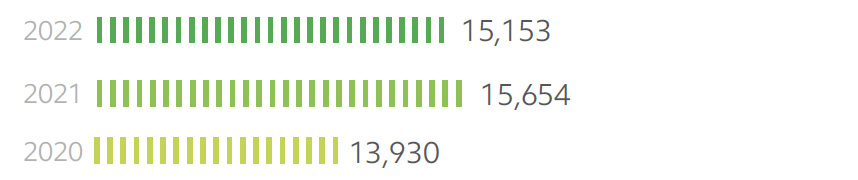
Volume of energy savings
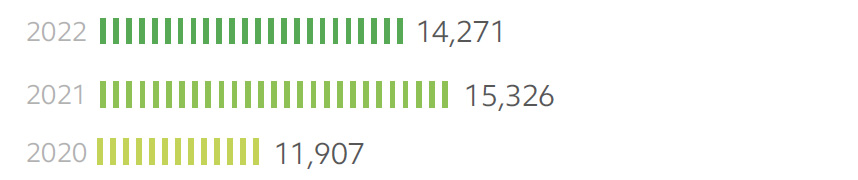
Implementation of typical electricity and heat saving measures has made it possible to significantly reduce energy consumption, which has a better effect on economic and technical performance.
As part of activities on energy and resource saving and improvement of energy efficiency, 58 measures aimed at reduction of fuel and energy consumption were implemented in 2022. As a result, Samruk-Energy saved 487 kilotonnes of conventional fuel
Total energy consumption in 2022 decreased by 3.2% compared to the previous year. In 2022, electricity consumption decreased by 2% and heat consumption decreased by 7% compared to the previous year.
for more information, please see Annex. Resource consumption and energy efficiency
As part of the Programme, energy-intensive subsidiaries and affiliates had an initial assessment of the energy management system.
Diagnostics of the existing energy management system in Samruk-Energy was performed using the main elements applied in establishing energy management system in accordance with ISO 50001.
The role of the energy management system is to systematically analyse, configure energy management, improve production processes, measure production performance, monitor and evaluate efficiency, seek and analyse information on energy efficiency, develop future plans of energy supply to customers and current mitigation action plans.
Having the systems and processes necessary to improve energy parameters, including energy efficiency and intensity, leads to a reduction of financial costs, greenhouse gas emissions and other environmental impacts through systematic energy management.
Environmental Benchmarking
Environmental benchmarking is a new way to assess and manage the environmental performance of Samruk- Energy. It implies comparison of the Company's activities with the best companies in the market and industry, which allows studying the practices of competitors and introducing the best practices in the Company. The 2022 environmental indicators of the companies are not yet available, so the analysis rests on 2021 data.
The benchmarking relies on two indicators:
- Use of freshwater for technological and domestic purposes;
- Direct (Scope 1) and indirect (Scope 2) greenhouse gas emissions.
To identify the environmental trend, the largest energy companies in Kazakhstan and globally were analysed:
PRODUCTION INDICATORS, 2021
Electricity generation, billion kWh
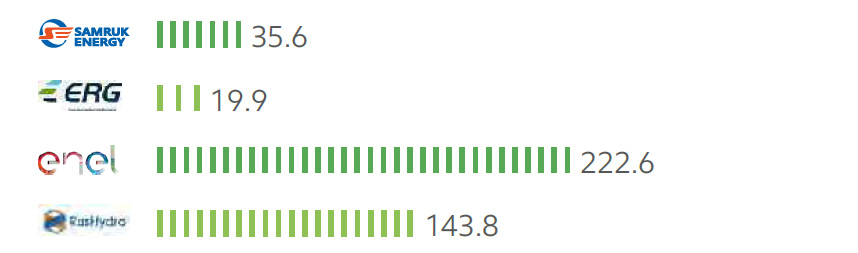
Installed capacity, GW
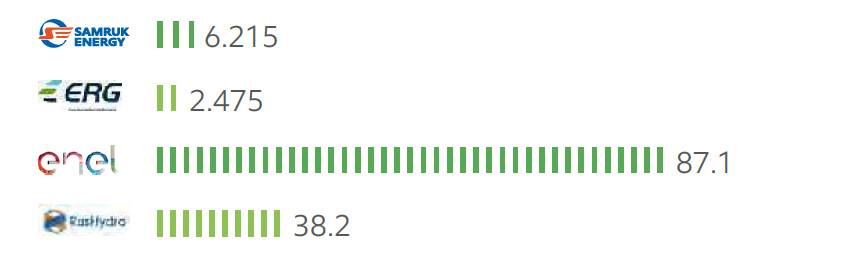
GREENHOUSE GAS EMISSIONS (SCOPE 1, SCOPE 2), 2021
Direct GHG emissions, million tonnes CO2eq. (Scope 1)
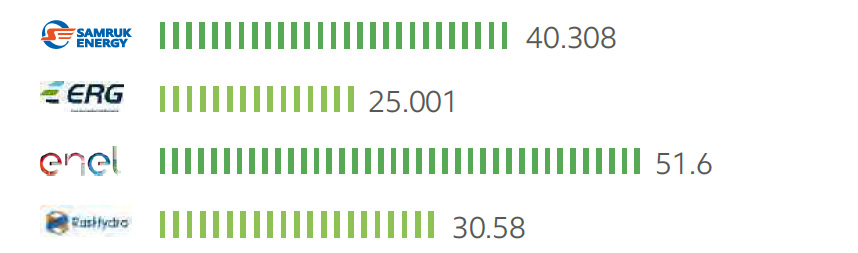
Indirect GHG emissions, million tonnes CO2eq. (Scope 2)
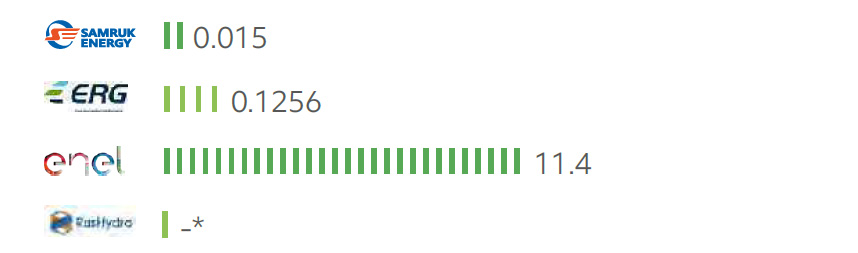
FRESHWATER INTAKE, 2021, MILLION M³

SPECIFIC INDICATORS, 2021
m³/‘000 kWh
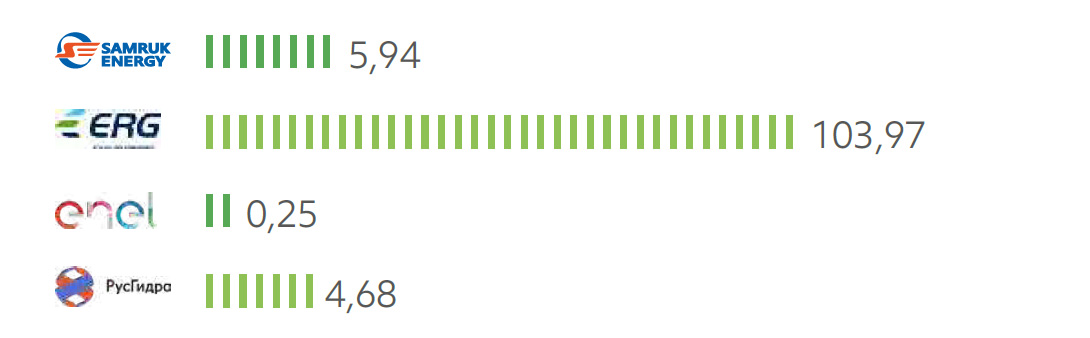
tonnes of CO2eq./‘000 kWh
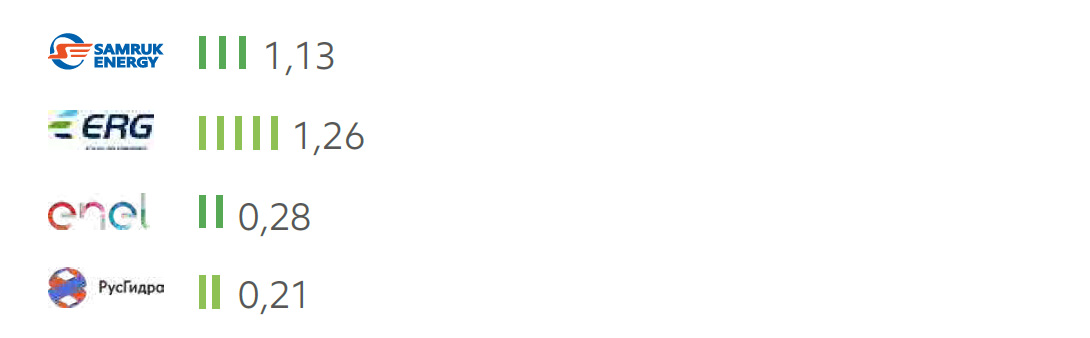
Given the fact that the compared companies differ in capacity and volumes of electricity generated, the Company decided to compare the specific indicators for greenhouse gas emissions and freshwater intake. Benchmarked against other energy companies, Samruk-Energy was:
- 81% behind RusHydro and 75% behind Enel, and 12% ahead of ERG in greenhouse gas emissions;
- 21% ahead of RusHydro, significantly behind ERG and ahead of Enel in freshwater intake.
Following the analysis of the sustainable development approaches of the peers, we may conclude that Samruk-Energy needs to continue striving to reduce its carbon footprint, focus on cutting-edge technologies and methods to reduce greenhouse gas emissions, and keep on upgrading both main and auxiliary equipment to reduce water intake for industrial needs.